- by Ottavia Spaggiari
When thinking about whales, the first place that might come to mind is Nantucket, a small and picturesque island dotted with unique wooden houses, off the coast of Massachusetts, in the Atlantic Ocean, featured in Herman Melville’s Moby-Dick. Few would associate these majestic sea mammals with Europe. But with more than 17,000 marine species, the Mediterranean Sea is home to an incredibly diverse ecosystem, including thousands of fin whales and sperm whales.
Yet these populations are dwindling.
Between 1951 and 2011, the region lost 41 percent of its top predators, including large mammals. In 2018-2019, the last survey conducted by the Agreement on the Conservation of Cetaceans of the Black Sea, Mediterranean Sea and Contiguous Atlantic Area (Accobams) registered about 3,351 whales in the Mediterranean region. A new Accobams survey to be published this year is expected to find another drop in the population. In the meantime, the International Union for Conservation of Nature classified fin whales and sperm whales as endangered species.
Ship collisions are among the main killers of large sea mammals, and the Mediterranean’s record marine traffic combined with its loose regulation make this threat exponential.
While accounting for less than 1 percent of the world’s ocean surface, the Mediterranean Sea hosts 15 percent of global shipping activities, and it has not implemented legally binding speed regulation to protect the habitat and its whales. Experts fear that this lack of oversight will lead to the extinction of fin whales and sperm whales.
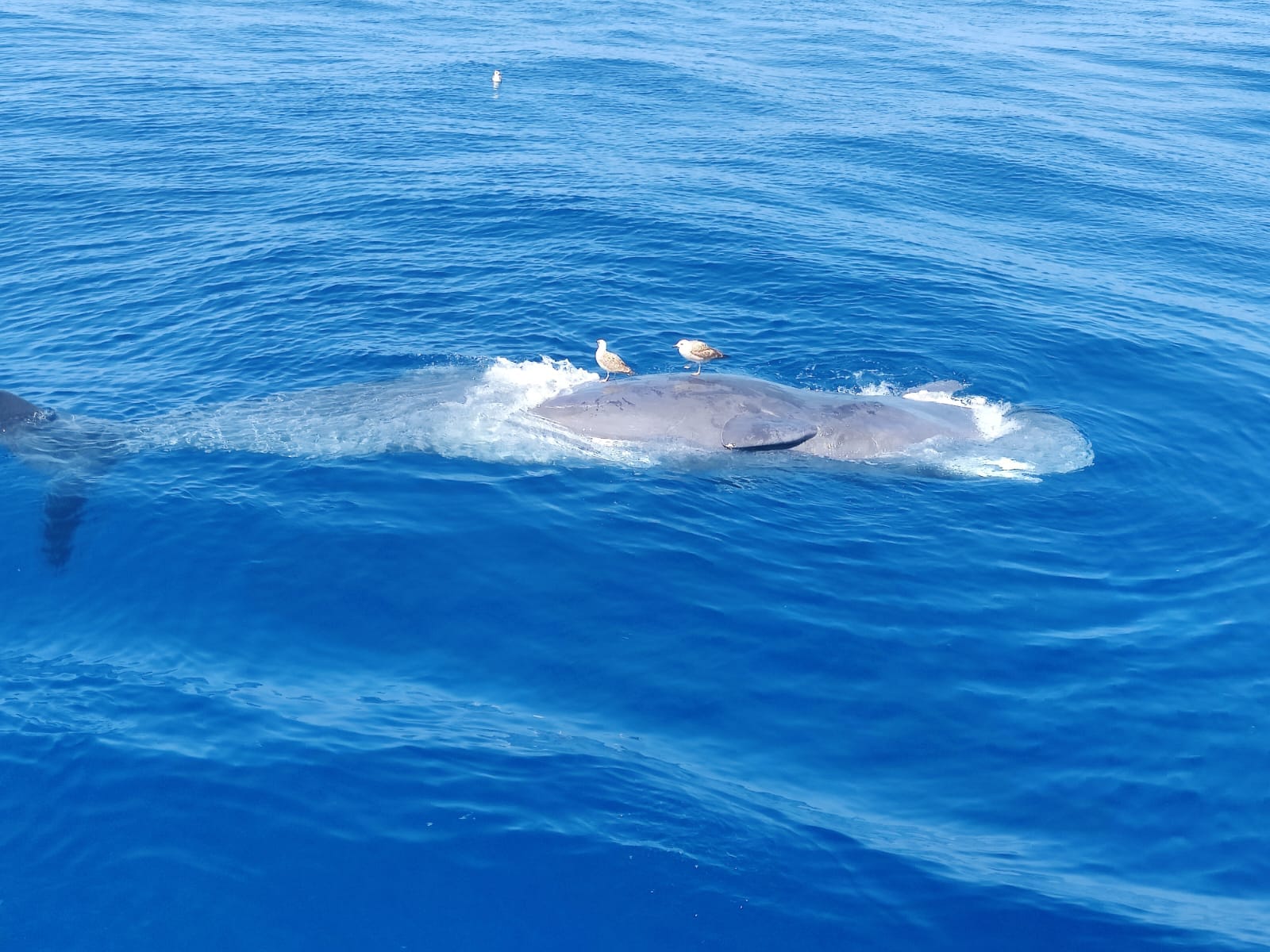
In November 2025, a cross-border team of Magma fellows, Clea Skopeliti, Wouter Massink and Federica Rossi, set out to investigate these deadly collisions in the Mediterranean, an issue that had gone largely underreported in Europe. They spent months conducting interviews with experts in different countries and combing through research and data. They found that an alarming number of ships sailed through some of the main whale habitats in the Mediterranean without slowing down. They also developed a data visualization uncovering how the region’s high-density marine traffic exposes large mammals to a constant risk of being killed.
The team eventually extended their reporting to the measures that activists, researchers and other experts are advocating for to avert the disappearance of these species.
When a whale dies, the loss reverberates across the entire ecosystem. These slow-growing mammals play a vital role in fighting climate change, as they store tons of carbon throughout their lives.
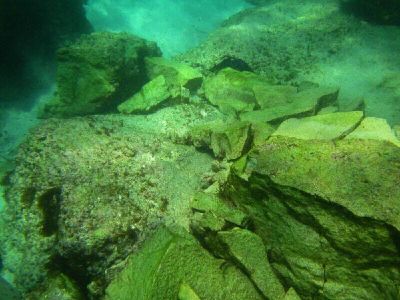
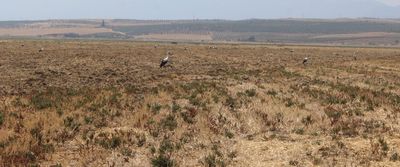
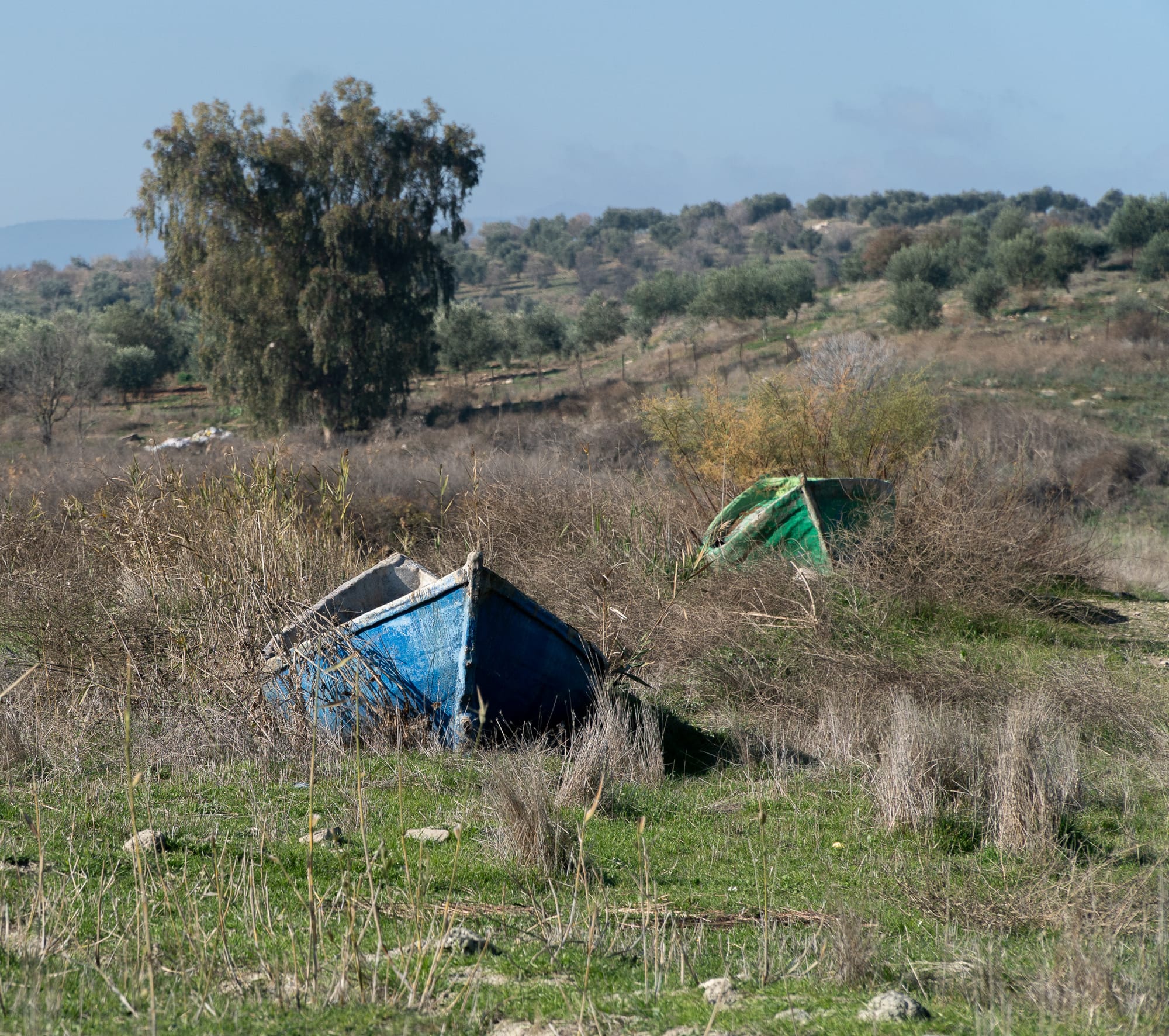
As part of this series on seas and lakes under strain, the reporters focused on the loss of species to overfishing and climate change in their individual articles. In Spain, Clea Skopeliti traveled to the fishing town of L’Estartit to expose how the use of bottom trawling in Marine Protected Areas (MPAs) is threatening small-scale fishers’ livelihoods as well as the local ecosystem. In Türkiye, Wouter Massink documented the tragic disappearance of the country’s bodies of water to climate change, overconstruction and agriculture, and the resulting threat this represented to the lives of over 2 billion migratory birds flying through the region every year.
Magma fellows also uncovered the communities fighting to protect local habitats from climate change and other human pressures. In Sicily, Federica Rossi explored the key role played by managers and non-governmental organizations to protect the Plemmirio MPA from overfishing. (Editor’s note: This story has not yet been published and is therefore not included in this digital issue.)
Working together, across borders, the 2025-2026 Magma fellows exposed some of the biggest challenges facing Europe’s largest water body, the Mediterranean, as well as other water reserves, while also investigating policies and community-based solutions that can limit these losses.
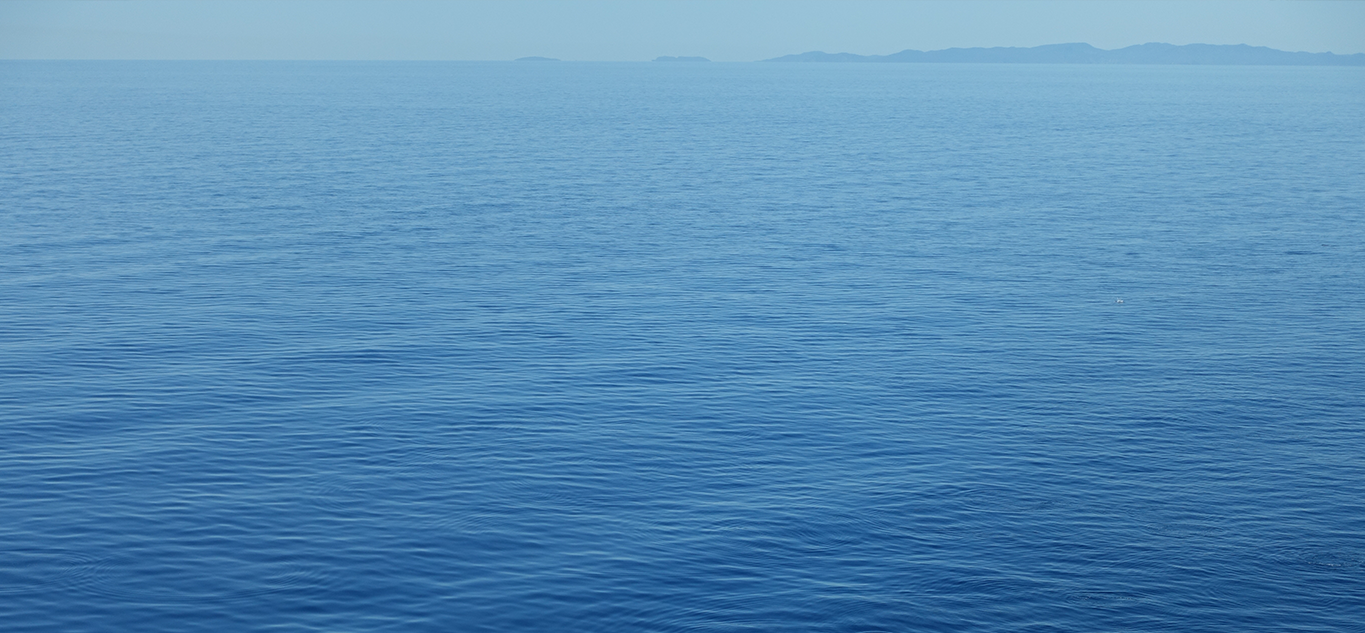
Top image: The Balearic Sea, a vital habitat for cetaceans, including fin whales, in the western Mediterranean (Clea Skopeliti)
This piece concludes the series “Seas and Lakes Under Strain,” produced as part of the second edition of the Magma Environmental Reporting Fellowship.