- by Islam Alatrash
- This story was supported by a Med Mosaic Ocean Literacy Grant.
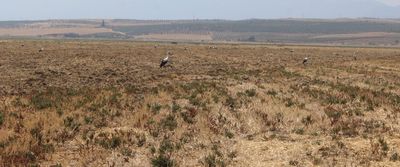
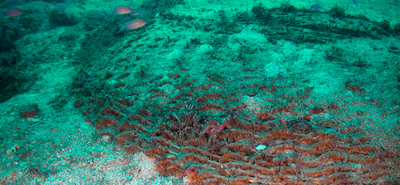
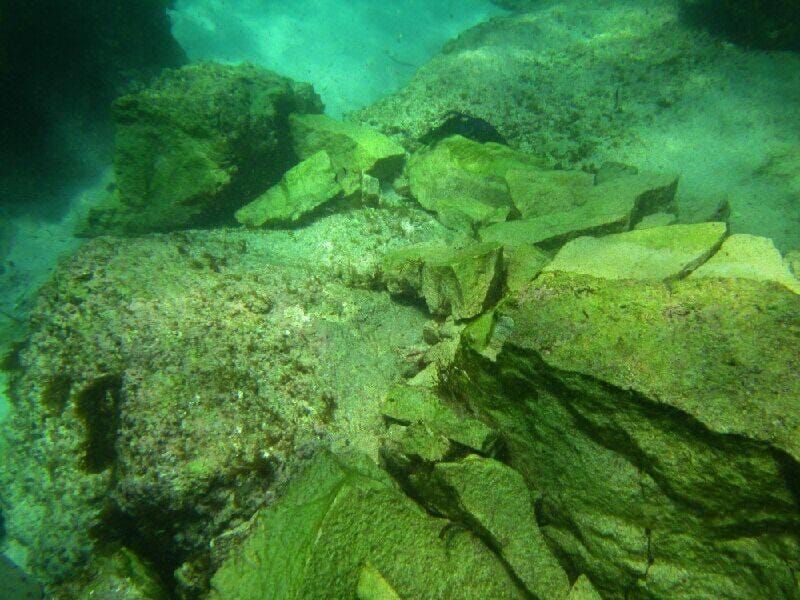
TRIPOLI, Libya — When diver Talal Osman descends into the sea, he often encounters what he calls “the trace of the explosion:” damaged sections of seabed, rocks stripped of small marine life and areas where fish that were once common have become scarce.
Osman is a diving and rescue instructor with the Benghazi Diving and Rescue Center who has spent years diving along different stretches of Libya’s coast, from Benghazi in the east to Tripoli and Zuwara in the west.
“The problem is no longer just a fisher throwing an explosive to get a larger quantity of fish,” he said. “We are facing the direct destruction of the marine environment.”
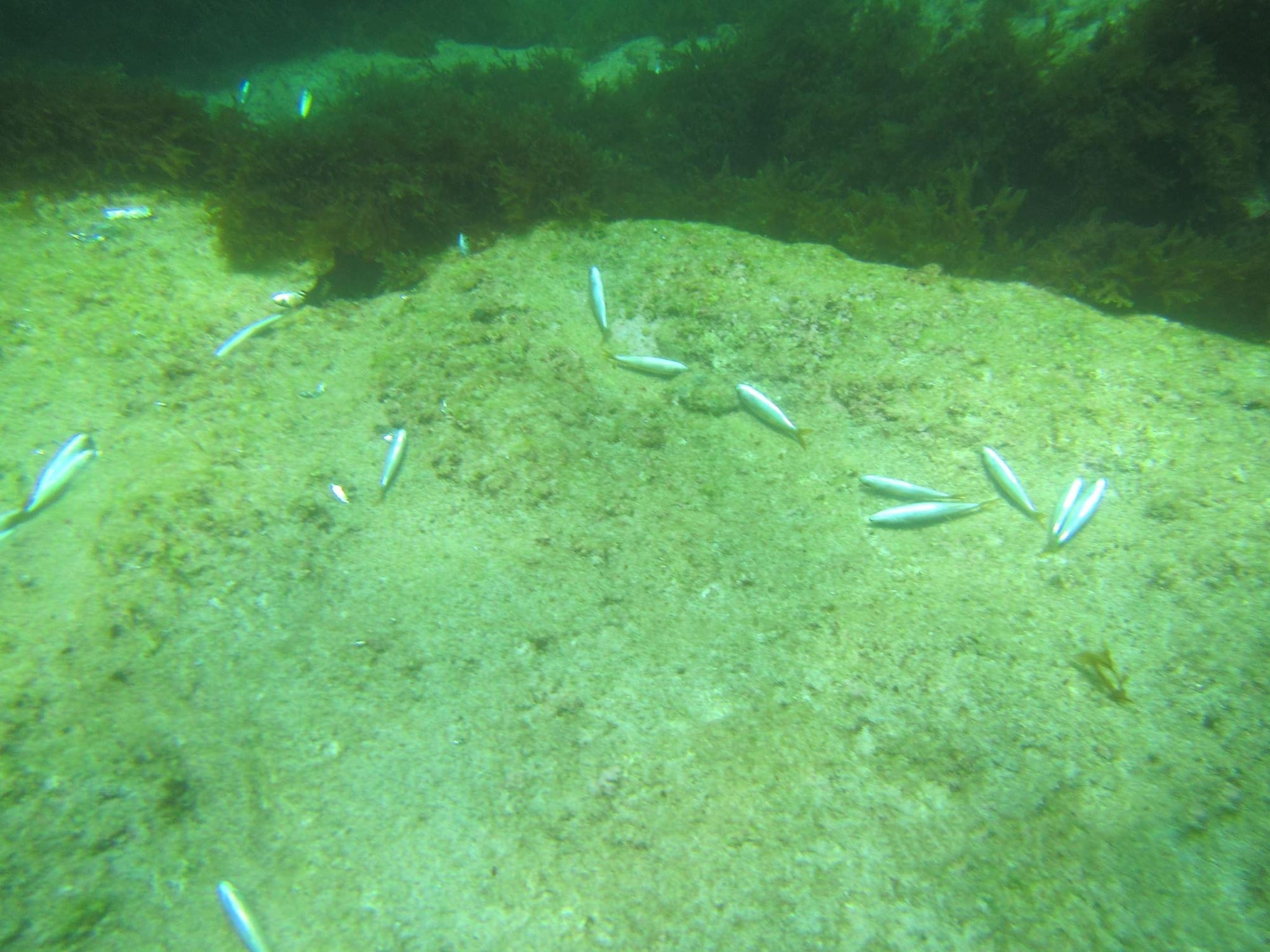
Locally known as jalatina, blast fishing involves detonating explosives underwater to stun or kill fish for a quick catch. The practice predates Libya’s 2011 uprising, but fishers and researchers say it spread further as state control weakened and explosives became easier to obtain.
Fifteen years later, despite repeated warnings and official campaigns, the practice persists. A 2026 study published in the North Africa Journal of Scientific Publishing, which examined dynamite fishing in two areas in eastern Libya, found that 52.94 percent of survey participants reported using explosives.
Fishers and divers say weak enforcement, fragmented institutions and access to war remnants continue to sustain blast fishing along parts of the Libyan coast.
Many of the fishers who employ blast fishing were reluctant to be interviewed, but one eventually agreed to be accompanied on his boat, on the condition that his identity would remain anonymous. For him, jalatina had become part of an ordinary working day: a “quick” way to catch more fish.
His own body bears the mark of the practice. He lost the tip of one finger in a fishing accident yet he continues to fish in the same way.
“Some fishers do it because they want faster profit,” he said. “Oversight is weak, and the sea has become open to anyone who wants to do whatever they like.”
Beneath the surface, however, divers say, the consequences last far longer than the few minutes it takes to collect the catch.
“The explosion kills large and small fish, destroys eggs and drives fish away from their natural habitats,” Osman said.
A threat to marine life
Along the Libyan coast, fishers and divers report changes in the marine environment. According to their observations and recent studies, areas once known for the abundance of certain species no longer provide fishers with a steady catch. Some fish have moved into deeper waters. Others have disappeared seasonally or declined in size.
“We go out with nets and wait for long hours, and in the end we may return with a quantity that is not even enough to cover the cost of the season’s equipment,” said Ahmed Aweidan, an artisanal fisher. “But those who use explosives get in minutes what we do not get in a whole day. The problem is that they profit today and destroy everyone’s livelihood tomorrow.”
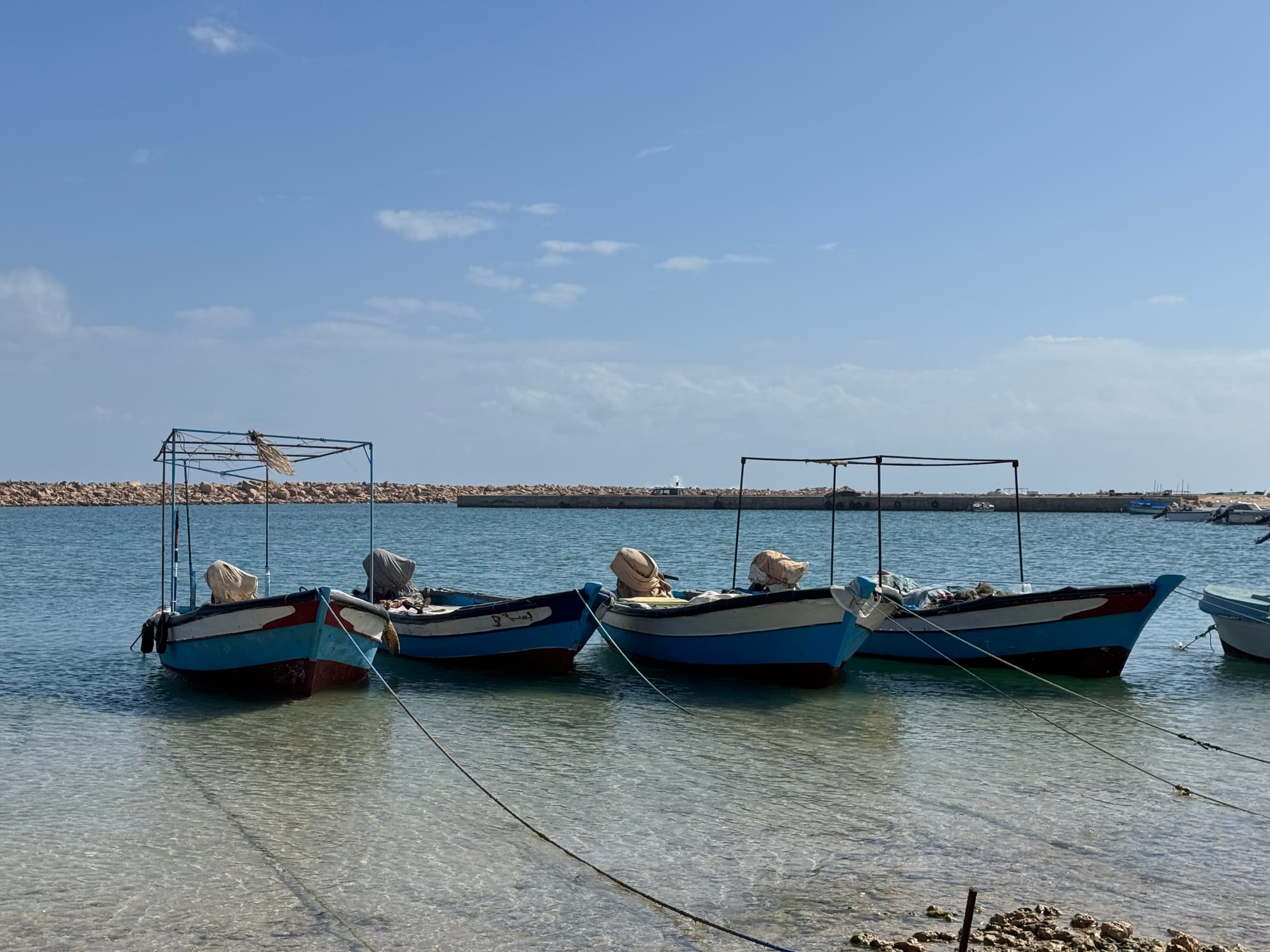
Blast fishing is among the most destructive fishing practices because its effects extend beyond the fish being targeted. According to the United Nations’ Food and Agriculture Organization, explosive fishing can damage the habitats on which marine life depends, turning a method designed to maximize a single catch into damage that can persist long after the explosion itself. Fish eggs, juvenile fish, plankton and other organisms can all be caught in the shock wave, undermining marine life beyond the immediate catch.
A 2024 study conducted in the Aegean Sea, in the eastern Mediterranean, found that the shock waves generated by explosive fishing caused severe internal and external injuries in fish, including damage to organs, bones and the swim bladder, a gas-filled organ that helps bony fish regulate their buoyancy.
In the Libyan capital’s fish market, Salem al-Usta, 51, has spent more than three decades in the trade he inherited from his father. Years of handling the daily catch have taught him to notice when something looks wrong.
“Sometimes fish arrive looking abnormal,” he said. “The eye is red, the flesh is soft and the back is broken. ... Some traders sell them because they are cheaper, but the consumer is the one who pays the price.”
Even if often referred to as “dynamite fishing,” Libyan fishers and local sources describe the use of trinitrotoluene (TNT) — a highly toxic explosive commonly used in military ammunition — rather than dynamite or homemade explosives made from commercially available materials, like agricultural fertilizers.
But possible health consequences remain largely unstudied and poorly understood. No publicly available testing found in the course of this reporting establishes whether fish, seawater or sediments in areas repeatedly exposed to blast fishing in Libya contain TNT residues or other contaminants. But a 2006 ecotoxicological study on unexploded chemical ordnance dumped in the Adriatic Sea has shown that pollutants released from underwater munitions can accumulate in fish tissues and cause pathological lesions.
A law on paper
Libya’s National Biodiversity Strategy and Action Plan for 2023–2030, issued by the Ministry of Environment, acknowledges that “various forms of illegal fishing,” including the use of dynamite, “have become widespread, especially after 2011” and have caused the deterioration of marine resources and the destruction of habitats that can be difficult to compensate for or restore.
The problem does not appear to be the absence of a legal framework, though. Libyan Law No. 14 of 1989 regulating the exploitation of marine resources clearly prohibits fishing using “explosives, poisonous or narcotic substances” or any methods that harm public health or the growth and reproduction of marine life.
It also stipulates penalties of imprisonment for a period of no less than two years and a financial fine up to 10,000 Libyan dinars ($1,559), with the possibility of confiscating the fishing vessel and its equipment.
But between the law and its enforcement lies a wide gap. Maritime monitoring requires human and technical resources, as well as coordination between the Ministry of Marine Resources, the Coast Guard, municipalities, public prosecutors and security agencies.
These bodies operate in a country exhausted by political divisions, wars and multiple centers of decision-making.
The problem does not lie in the absence of legislation but in its enforcement, according to Mohammed El Rabiee, a former official in the marine protection and inspection sector.
“The law exists, but it needs continuous maritime patrols [by the Coast Guard], effective control over the materials used and reports that are referred to the public prosecution,” he said. “It is not enough to issue warning statements.”
Fear of retaliation may also discourage people from reporting the practice.
“Many people fear reporting these practices, because those who use explosives at sea are not always ordinary fishers,” says Abdulmajeed Mlitan, head of the environment department at Misurata University. “Sometimes there are protection networks behind them or links with armed groups or traders.”
Some violators justify the practice by citing poverty and the rising costs of fishing. Fuel availability, boat maintenance, nets and fishing engines all add to the financial pressures facing fishers. But those who rely on legal fishing methods argue that blast fishing only deepens the problem by damaging fish stocks and threatening their livelihoods in the long term.
What can be done to protect the sea?
Marine biologist Sara Al Mabruk believes that confronting the phenomenon begins with data. “We cannot protect what we do not measure,” she said. “We need maps of the damaged areas, regular monitoring of fish stocks and systems that link the fish sold in markets to its source. If we know where the fish came from and how they were caught, we can reduce demand for fish caught with explosives.”
Magma Magazine reached out to Libya’s Ministry of Environment and Ministry of Marine Resources to request a comment on the specific measures being taken to combat this practice, but did not receive a response within the timeframe for this article.
In the view of diver Osman, there is still time to protect what remains of Libya’s marine ecosystems, though he fears the opportunity is narrowing. He argues that action should begin with stopping the explosions, protecting breeding areas, holding violators accountable and involving fishers in monitoring the sea.
“The sea can recover,” he said. “But we have to give it the chance.”
Top image: Damaged rocks near Tripoli show the force of underwater blasts used in jalatina fishing (Islam Alatrash).