- by Wouter Massink
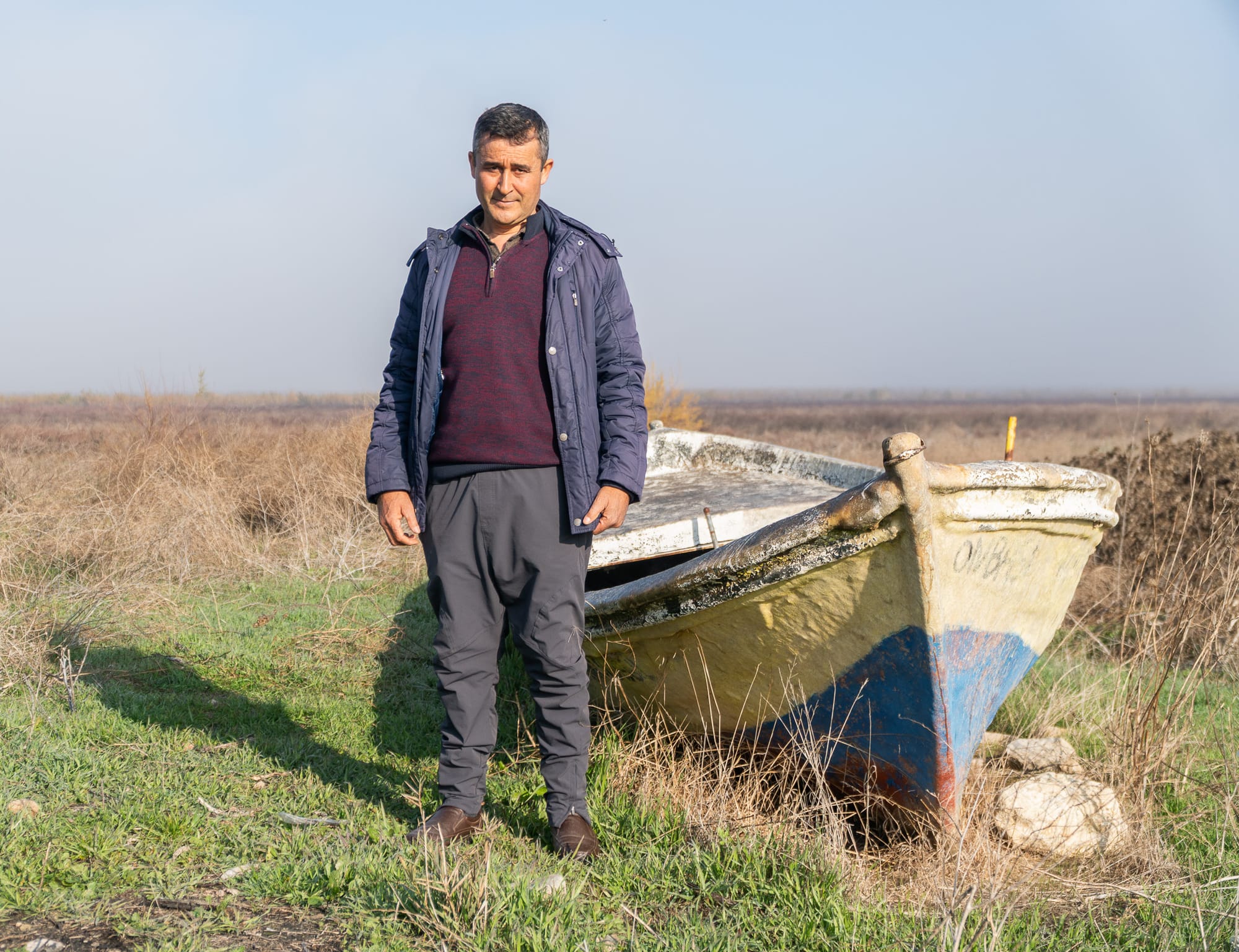
TEKELIOĞLU, Türkiye — For most of his life, Ferit Erefe watched the skies above his village of Tekelioğlu, in western Türkiye’s Gediz River Valley, teem with countless migratory birds every year. As he and his fellow fishers scoured the waters of nearby Lake Marmara for carp, flocks of flamingos, pelicans and storks would brighten the water body as they touched down to rest.
“Their wings would glow like they were on fire,” Erefe reminisced. “It was such a colorful sight.”
The 45-square-kilometer (17-square-mile) lake was more than a stopover for birds. It sustained Tekelioğlu’s economy, drawing visitors from afar to paddle its waters and catch a glimpse of some of the region’s rarest birds.
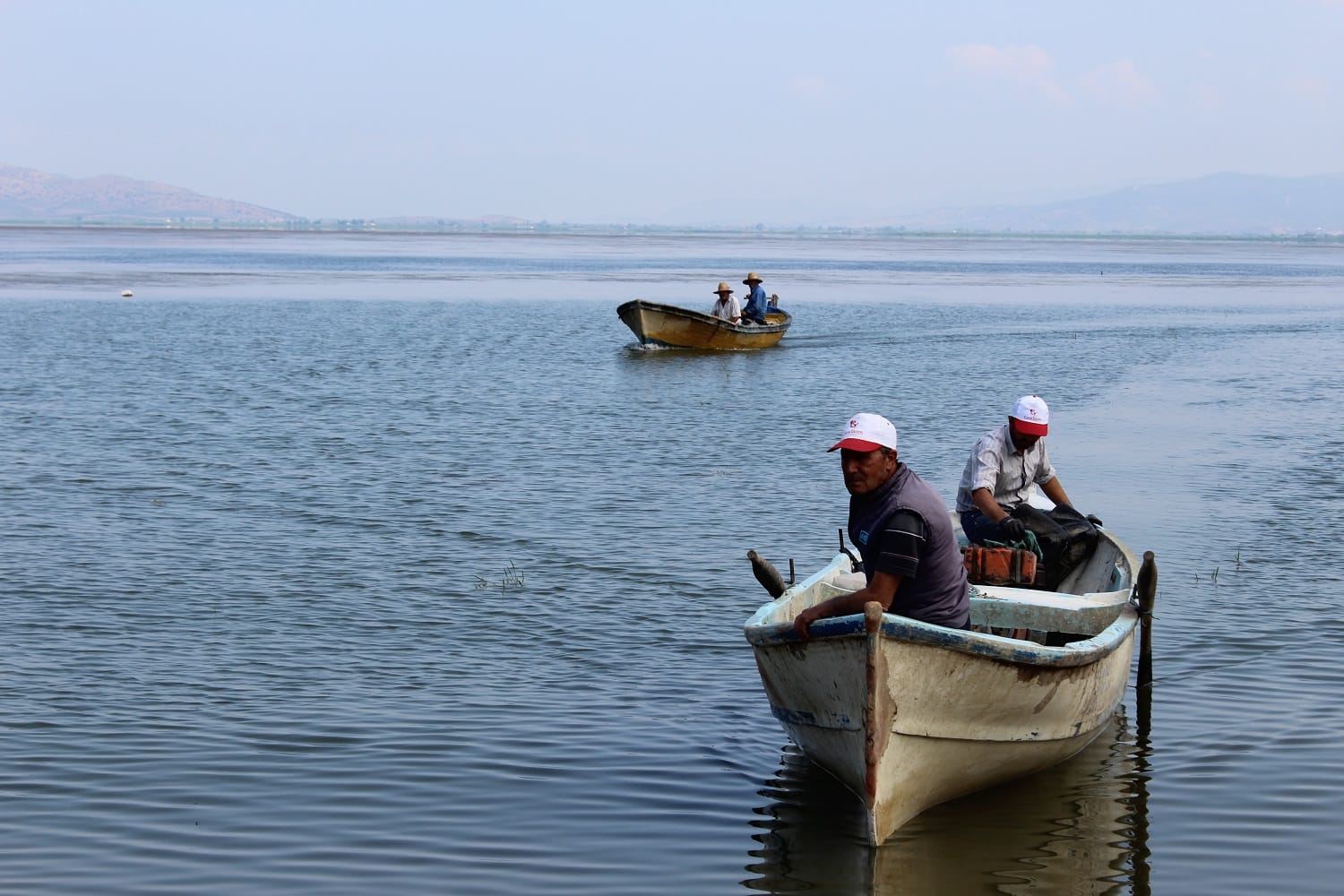
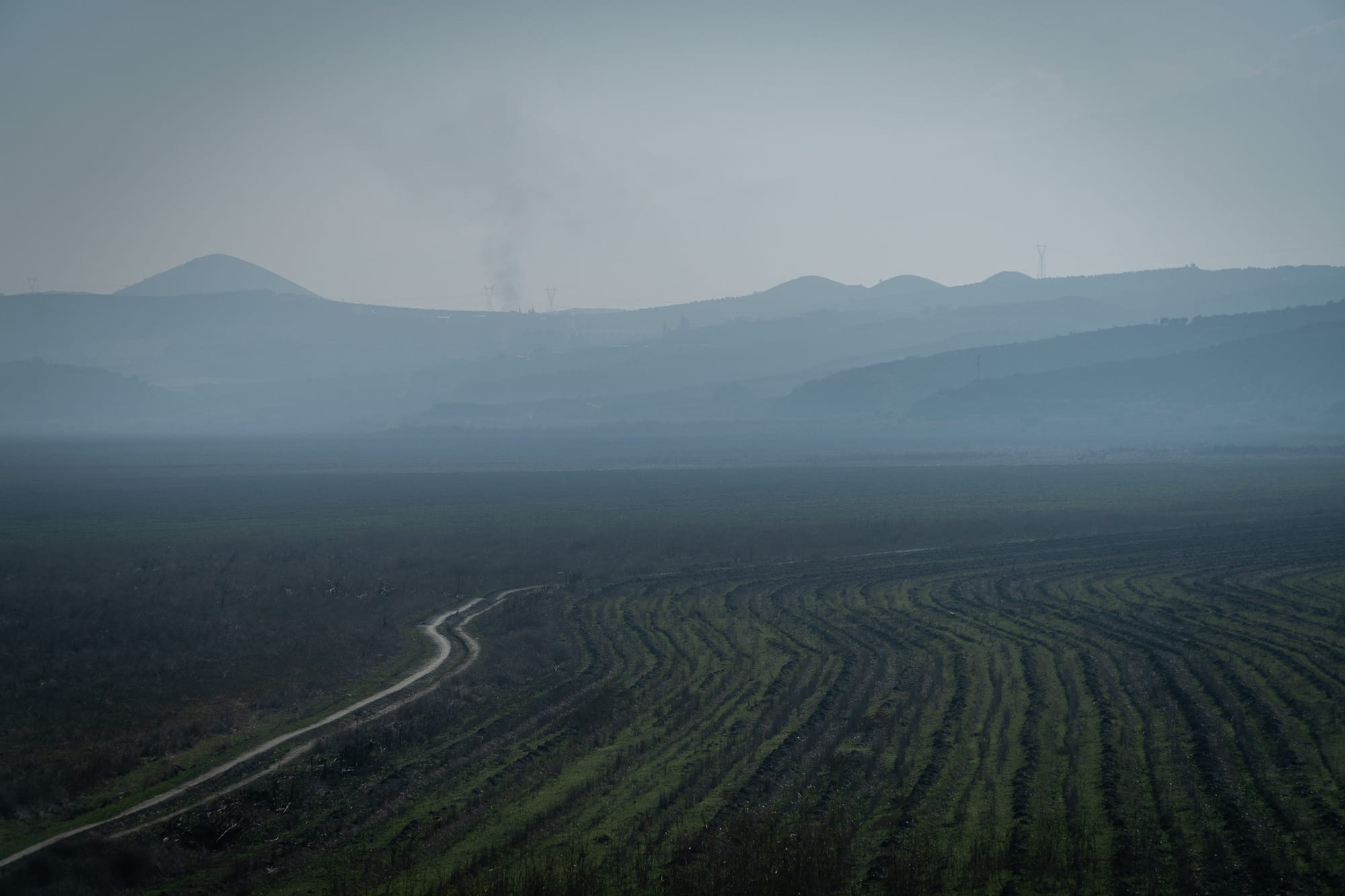
Then the water began to disappear. In 2009, the completion of an upstream dam reduced the water flowing into the lake. Over the following years, rising temperatures and dwindling rainfall put the body of water under further pressure. By 2021, Lake Marmara was no more.
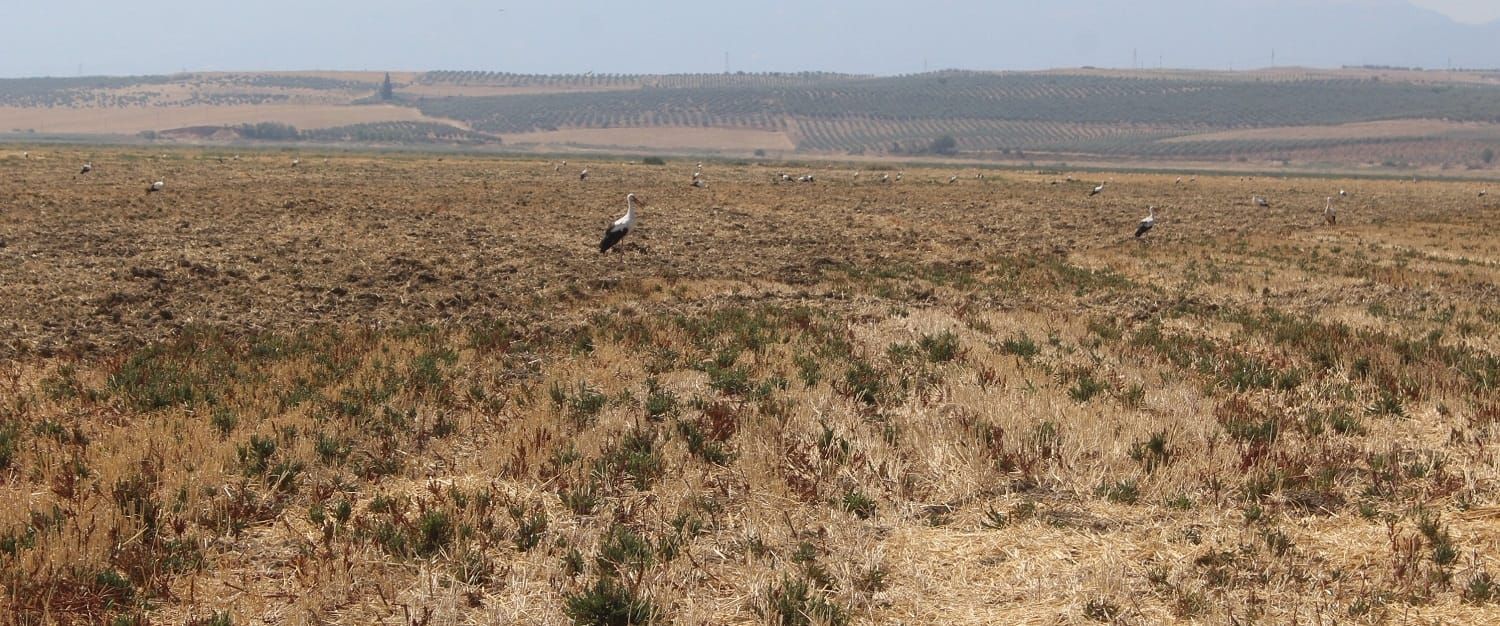
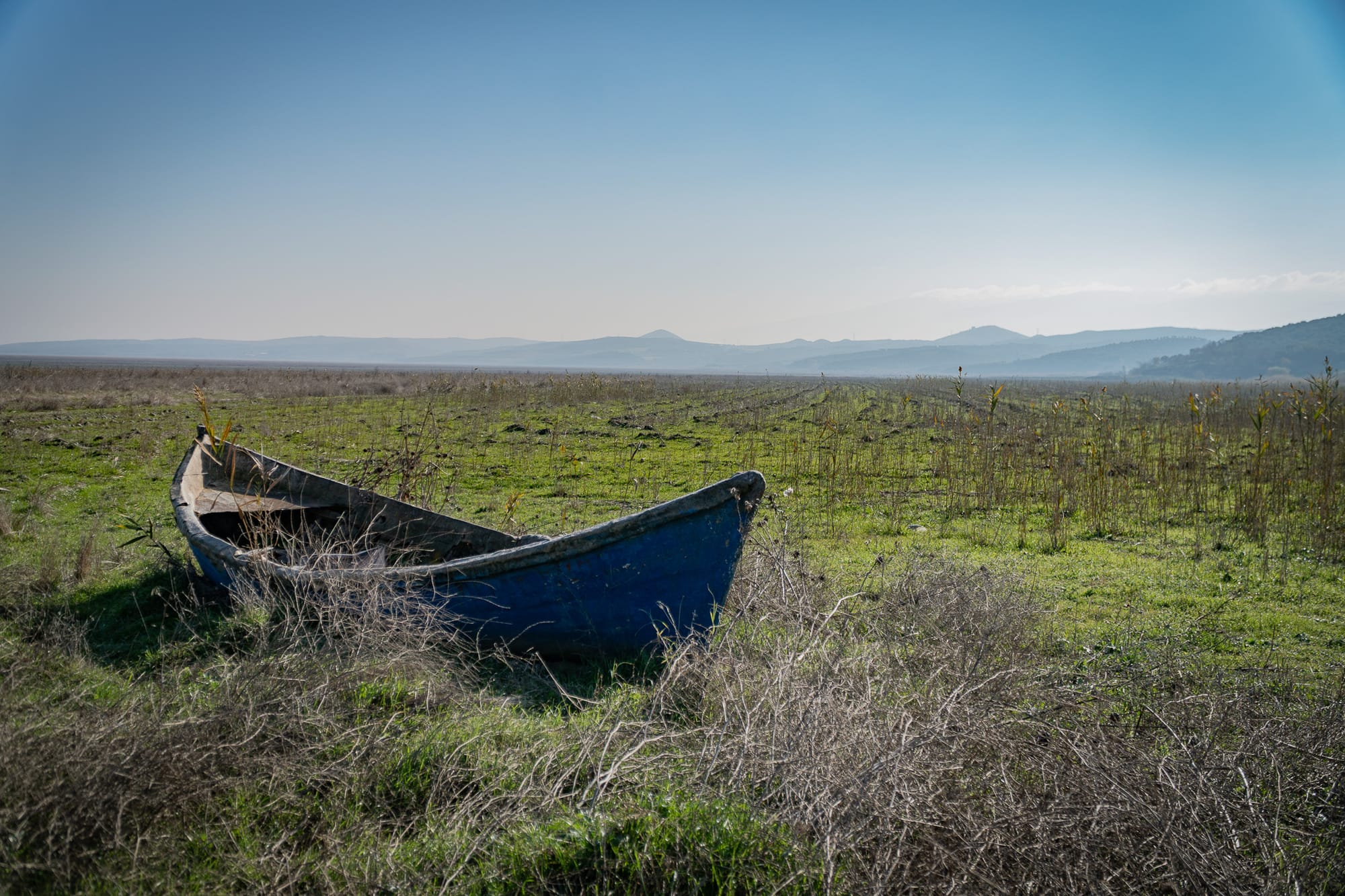
For years, decaying fishing boats dotted the dried-out lakebed, surrounded by thistles and scrub. The roughly 20,000 birds the lake once supported were forced to seek refuge elsewhere.
“After the lake dried up, I haven’t seen any birds around here — no geese, flamingos or ducks,” Erefe said in a December 2025 interview.
But this past spring, heavy rainfall refilled parts of the lake, with water levels reaching up to four meters (13 feet). After years of absence, some migratory birds, including flamingos, have returned. Yet their revival might be short-lived, as experts fear that an era of unprecedented drought is taking hold of the country. A recent United Nations report projected that nearly 90 percent of Türkiye could face desertification in the coming decades.
But even when Lake Marmara was dry, conservationists working in the area noticed birds returning to the arid lakebed. “[Some] continue to return to these dried-up lakes to rest. It’s in their memory,” said Dicle Tuba Kılıç, head of Doğa Derneği, a non-governmental organization that works to protect biodiversity in Türkiye. “But they find neither the food they are looking for nor a safe environment.”
Lake Marmara is just one of Türkiye’s many vanishing bodies of water. Over the past 60 years, a combination of aggressive development, agricultural practices and climate change have caused an estimated 186 of the country’s 240 lakes and more than two million hectares of wetlands to dry up. This decline has only accelerated in the past decade.
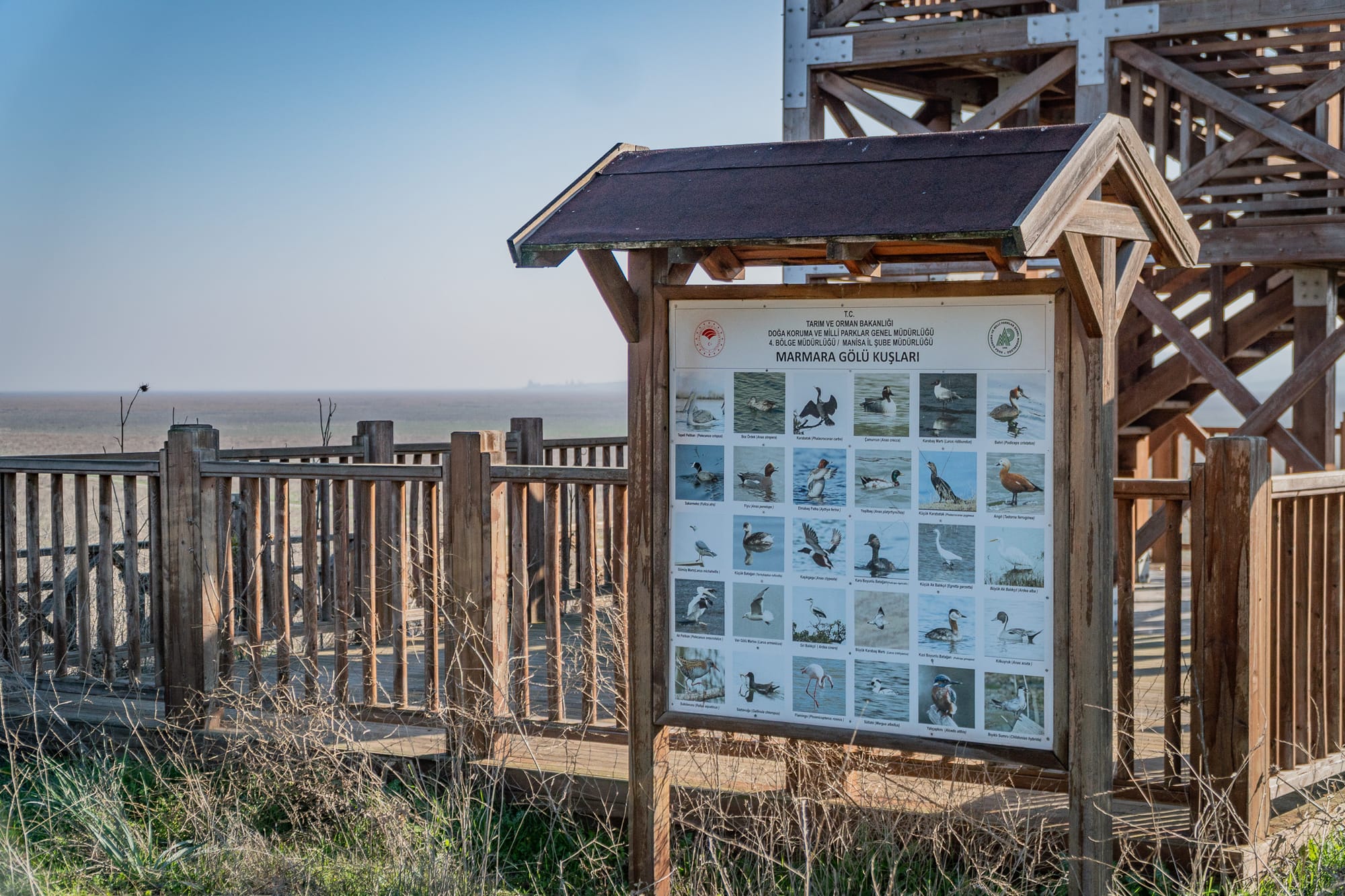
This ecological collapse has threatened the hundreds of bird species that migrate through Türkiye, as the country lies at the heart of the African–Eurasian flyway — one of the world’s busiest migratory corridors, traversed by over two billion migratory birds every year in late spring and autumn.
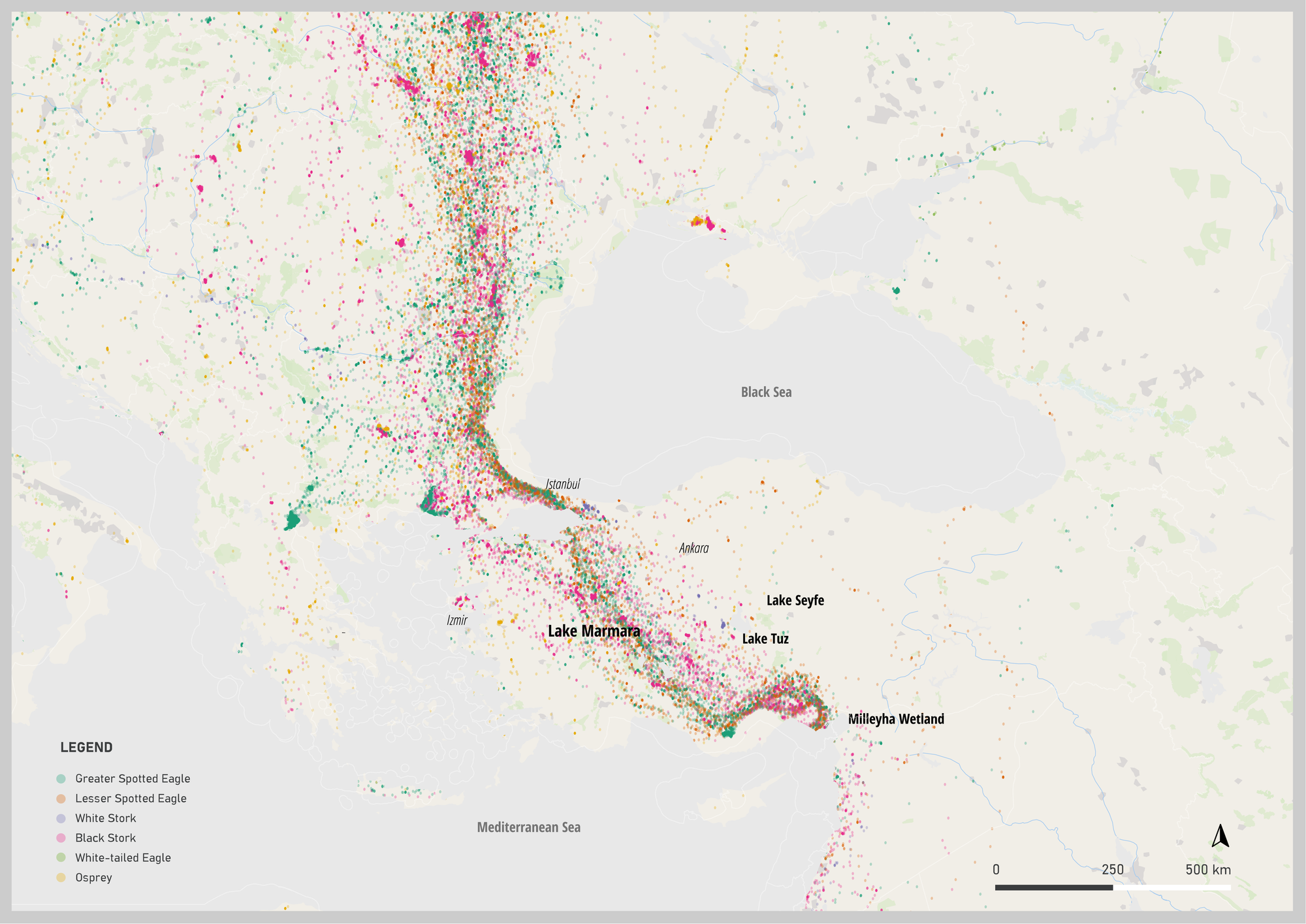
These passageways exist thanks to a fragile chain of favorable wind currents and food-rich stopovers. For birds crossing the arid stretches of the Middle East and Africa, Türkiye’s plentiful lakes and wetlands typically provide the first or last viable resting and feeding ground. But as these pockets of green and blue vanish, many birds increasingly struggle to complete their long journeys between Europe and Africa.
Driven in part by habitat losses, more than half of earth’s migratory bird species are declining, a recent study found. Other data show that Türkiye’s total avian population has plummeted by an estimated 50 percent between 1989 and 2021.
“In a way, birds are like a barometer,” said Mehmet Tavacı, the founder of ‘Kanatların İzinde’ (In the Footsteps of Wings), an initiative to monitor and protect Türkiye’s bird habitats.
When birds abandon a region, he added, it indicates a broader environmental breakdown: Insect populations, soil fertility and water sources have likely already been devastated. In turn, the loss of avian life accelerates further ecological decline, as they play a crucial role in controlling pests and dispersing seeds.
As Türkiye’s wetlands evaporate, the birds are crowding into the few surviving lakes, according to Kılıç, leaving them with less space to breed and more vulnerable to threats like poaching. In central Anatolia, the only place flamingos can currently breed is in Lake Tuz, Kiliç said, which is the country's second-largest lake.
Much of the water flow from the lake’s main tributaries has been diverted toward the surrounding sprawling agriculture sector, morphing the 1,665-square-kilometer (643-square-mile) Lake Tuz into a seasonal death trap. Harrowing images of adult flamingos and their chicks dying en masse across its desiccated shorelines have become commonplace during summer droughts.
Whether bled dry by direct irrigation at Lake Tuz or choked off by upstream dams at Lake Marmara, both wetlands follow a broader pattern driven by Türkiye’s insatiable agricultural sector, which is the seventh largest in the world. The industry consumes nearly four-fifths of the country’s freshwater supplies, so much so that Türkiye has tripled the total number of dams and artificial reservoirs to more than 1,700 in President Recep Tayyip Erdoğan’s more than two decades in power. This has come alongside the nation’s increased demand for hydropower.
Other refuges across the country have fared little better, though the culprits vary. Lake Seyfe, about 100 kilometers (or 64 miles) from Lake Tuz, has seen more than 100 mining licenses approved within its basin in recent years, despite its protected status under the international Ramsar Convention. After rainfall plunged to a 65-year low in 2025, the lake, once home to a flamingo population of over 200,000 birds, turned virtually to dust.
Further south, not far from the Syrian border, the protected Milleyha Wetland, one of Türkiye’s most biodiverse bird habitats, has been similarly plagued by human encroachment. Toxic debris was illegally dumped in the area after the 2023 earthquakes, endangering an environmental sanctuary in a region already fraught with conflict.
Compounding these issues, climate change further affects lakes’ water availability. With temperatures rising rapidly and precipitation decreasing and becoming more irregular, additional stress is placed on remaining water resources, explained Levent Kurnaz, head of Boğaziçi University’s Center for Climate Change Studies.
“Climate change both directly reduces the water supply feeding the lakes and indirectly increases the burden on them by making people more dependent on [the remaining] water,” Kurnaz said.
At the same time, artificial lakes formed by upstream dams cannot serve as substitutes for natural lakes, Kılıç said. Türkiye’s endemic lakes are typically shallow, with expansive surface areas that allow sunlight to penetrate the depths, fostering a unique ecosystem of underwater flora and fauna. Their sprawling basins are often abutted by vast buffer zones of soft, flat meadows. This provides ample feeding and breeding grounds. By contrast, dam reservoirs are engineered in steep valleys and are hemmed in by hard concrete and rock barriers.
Kılıç used the endangered white-headed duck as an example: “They feed on plankton and other creatures in the muddy, vegetated water at the bottom of the lake. But … [with] a dam, the depth reaches 50 or 100 meters (164 or 328 feet): It is not the same ecosystem, and the water temperature changes.”
Despite the grim outlook, Turkish civil society has successfully halted some projects that would jeopardize its lakes. In 2024, local advocacy groups won a lawsuit against a state agency’s attempt to repurpose Lake Marmara’s arid bed for agriculture. In its ruling, the court explicitly underscored the importance of the wetland amidst the global climate crisis. Now, the local governorate aims to revive Lake Marmara by sourcing water from a mountain range.

“All the people we spoke to say this is not really possible. As they put it, ‘You can’t fill a lake by carrying water,’” said Yıldıray Çıvgın, an environmental lawyer managing several legal cases related to Lake Marmara, including a recent sprawl of sand mines on its tributaries.
Although the lake has lain barren for about five years, Çıvgın still believes it one day could be revitalized. “Could it be like trying to treat a patient who has already died?” Çıvgın has wondered. “We really don’t want to believe this.”
Yet, as the recent rainfalls show, he may be proven right.
Top image: Storks returning to Lake Marmara’s dried-up basin (Courtesy of Süleyman Arasan)
This story is part of the series “Coasts and Seas Under Strain,” produced as part of the second edition of the Magma Environmental Reporting Fellowship.