A new year begins, and here at Magma, we’re taking stock of 2025 and ringing in 2026 with some updates. The past year marked important milestones for us: the conclusion of the first edition of our Magma Environmental Reporting Fellowship, the publication of our pilot print issue of Magma Magazine and a new cohort of fellows you will hear more about soon.
The new year will also bring a new newsletter publishing schedule. Starting next month, we’ll be merging our two newsletters. Lapilli will continue on a regular schedule — landing in your inbox every first Friday of the month — while Lapilli+ will become an occasional special edition available to everyone. As a result, we’ll be discontinuing paid subscriptions. You’ll still be able to support us by making a donation via PayPal, becoming a member of our association or ordering a copy of our annual print Magma Magazine by writing to info@magma-mag.net.
To celebrate the work done over the past year, at the bottom of this newsletter, you’ll find a compilation of the five Lapilli+ issues with the highest open rates. Our heartfelt thanks to everyone who contributed and supported us along the way!
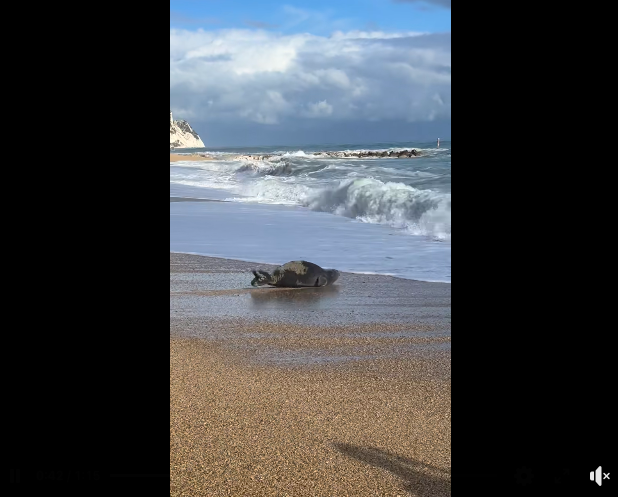
Now let’s turn to what struck us most over the past month. We begin with the flash floods that hit Morocco in mid-December, before moving to the mountains surrounding the Mediterranean basin as they prepare to host the 2026 Winter Olympics. From ghost ski resorts in the French Alps, we turn to Greek fir forests in the Peloponnese, now being decimated by a bark beetle. We then head to southern Lebanon, where Israeli weapons and bulldozers have destroyed a biodiverse woodland area, before shifting to more marine themes: the culinary rediscovery of plants that grow in highly saline soils, such as salt marshes and lagoons, and a few delightful sightings of monk seals along the Adriatic coast.
Happy reading and happy new year!

From drought to floods. On December 14, heavy rains hit Morocco’s Atlantic coast, resulting in flash floods and inundations. The worst-affected area was Safi, about 300 kilometers (186 miles) south of the capital, Rabat, where at least 37 people lost their lives. Morocco had been grappling with a seven-year drought, which hardened the soil and reduced its ability to absorb large volumes of rainfall concentrated over just a few hours. Heavy rains and snow continued to affect the country through the end of the year. While these events have helped replenish water reserves, concerns are growing in some areas over potential agricultural damage.
The impacts of the Winter Olympics. From February 6 to 22, the 2026 Winter Olympics will take place across the Italian Alps, in Veneto, South Tyrol and Lombardy. As the event approaches — and after a December marked by above-average temperatures — controversy has grown around the environmental impacts of the games’ planned infrastructure and artificial snowmaking. In a recent article, Italian magazine Altreconomia focuses on the Olympic games’ landscape impacts, comparing satellite images before and after construction of the bobsleigh track in Cortina, the new biathlon stadium in Anterselva (South Tyrol), the arena south of Milan and the Livigno cable car system upgrades. In Livigno, Altreconomia also notes, the construction of an artificial snow reservoir reshaped the natural profile of Mount Sponda, involving earthworks across more than three hectares. Artificial snowmaking itself, critics point out, requires vast amounts of water and energy and alters soils and ecosystems, but industry operators seem to downplay these impacts.

Ghost ski resorts. Crossing the border into the French Alps, a recent Guardian article explores the past, present and future of more than 186 ghost ski stations that have shut down, leaving abandoned infrastructure scattered across southern France’s mountains. A phenomenon set to grow as global warming pushes the snow line higher and higher. So, what future awaits thousands of ski lifts and facilities at elevations where snow is no longer — or will no longer be — reliable? In Céüze, between 1,500 and 2,000 meters (4,900 and 6,600 feet) above sea level, the ski station closed in 2018, after 85 years of operation. Inconsistent snowfall made it economically unviable. “It was costing us more to keep it open than to keep it closed for the season,” Michel Ricou-Charles, president of the Buëch‑Dévoluy community of municipalities, told the Guardian. “We looked into using artificial snow, but realized that would delay the inevitable.” Using Céüze — where dismantling operations started in 2025 — as a case study, the article asks what should be done with these relics of a fading way of life: Allow nature to reclaim the mountains or preserve the identity of places whose purpose has changed?
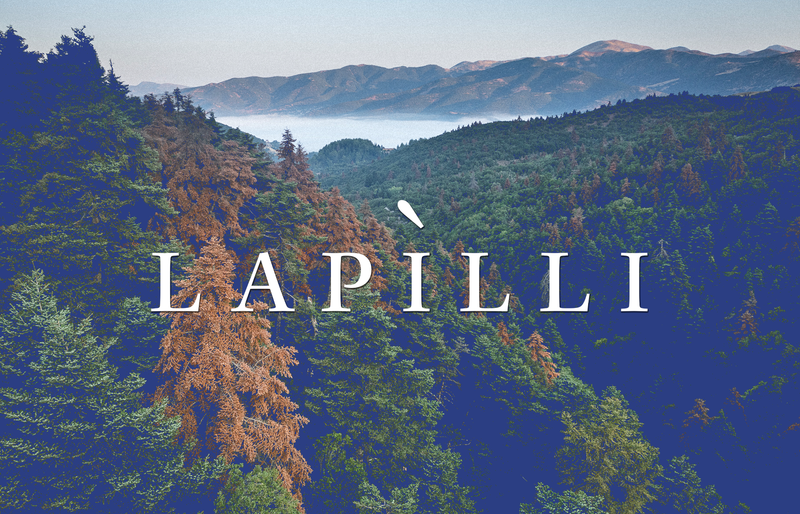
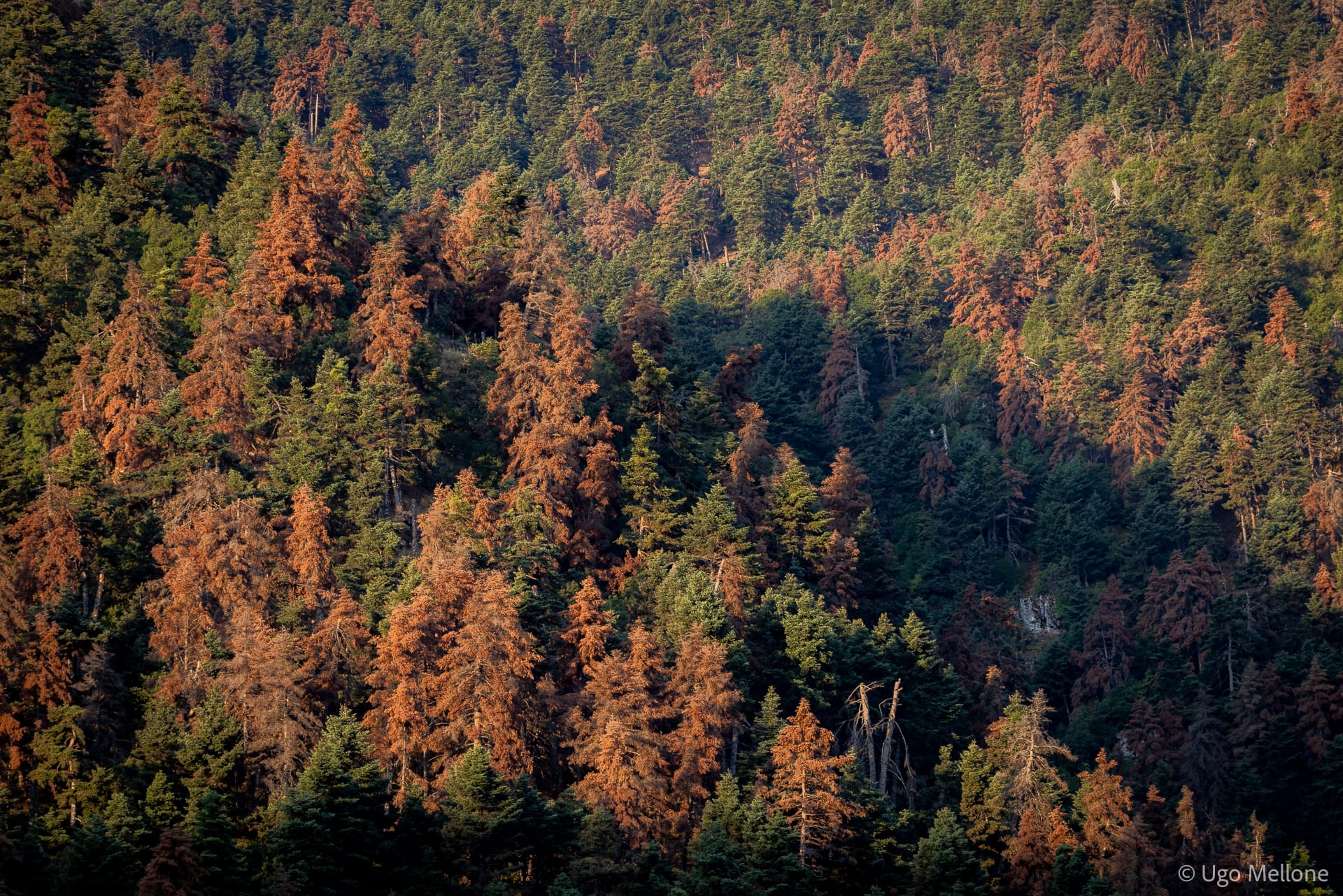
Greek fir forests under attack. After surviving the devastating wildfires of recent summers, Greek fir forests in the Peloponnese are now being decimated by another threat: an insect hiding beneath their bark. While documenting the aftermath of a spring blaze, Dimitrios Avtzis, a senior researcher at the Forest Research Institute of Elgo-Dimitra, observed stretches of fir forests turning orange as the trees dried out and died. According to Avtzis, a combination of prolonged drought, shrinking groundwater and fires weakened the firs and made them more susceptible to the bark beetle. Their transformation is clearly visible in a series of pictures by photographer Ugo Mellone (whom we thank for the cover image) published by the Guardian. “We’re observing similar dynamics in countries like Spain,” Avtzis said. “Southern Europe may be more vulnerable.” The insects bore beneath the outer bark, cutting into the systems that transport water and nutrients; once established, their numbers can rise rapidly, especially when trees are already stressed.
Bombarded forests. In southern Lebanon, near the Israeli border, the Harj al-Raheb forest has been almost destroyed by Israeli military operations. Sixteen hectares, once protected for their ecological and cultural value, have been reduced to ghosts of what they once were after a year of relentless air attacks and shelling, as well as the use of white phosphorus. After the November 2024 ceasefire, Israeli bulldozers further erased what remained of an ecosystem that once sustained biodiversity and local communities, leaving behind a degraded and heavily contaminated landscape. Before the war, the area was an important corridor for migratory birds traveling between the north and south of the globe. After two years of destruction and white phosphorus shells, a comprehensive assessment of impacts on wildlife has yet to be conducted. Last October, at the International Union for Conservation of Nature congress in Abu Dhabi, members adopted a motion calling for the restoration of Lebanon’s war-damaged ecosystems — though without identifying specific responsibilities or causes (Al Jazeera).

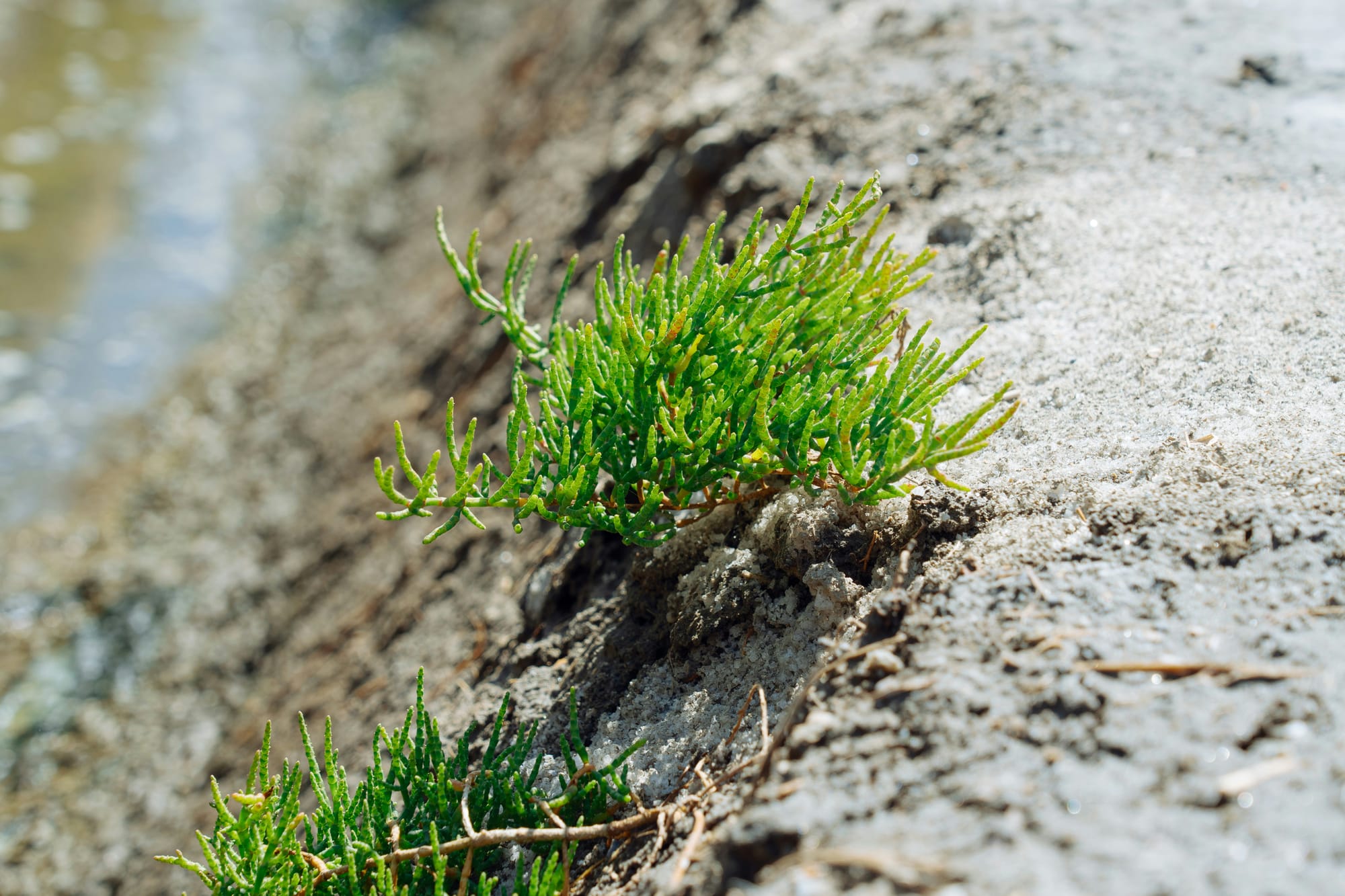
Rediscovering halophytes. As rising seas, higher temperatures and prolonged droughts are leading to increased soil salinity, many traditional crops may come under threat. In response, a group of chefs, agronomists and artists around the Venice lagoon is experimenting with the cultivation of salt-tolerant halophyte plants. Species like marsh samphire, monk’s beard and purslane thrive in salt marshes, coastlines or lagoons, where salinity is above one percent, whereas, by contrast, most conventional crops barely tolerate salinity levels up to 1.2 percent.
According to the U.N. Food and Agriculture Organization, about 10 percent of the world’s total land is currently affected by salinity, this figure may rise to between 24 and 32 percent as the climate crisis worsens. “Every chef knows that every time he changes location, there is a spirit of adaptation to the new place and the crops,” chef Donato Ascani told the Guardian. “Similarly, there will also be adaptation to climate change. We’ll go with whatever [nature] has to offer.”


2) What’s the Future for Small-Scale Fishers in Mediterranean Europe? (July 2025)
3) Covering a Changing Food Industry, One Ingredient at a Time (June 2025)
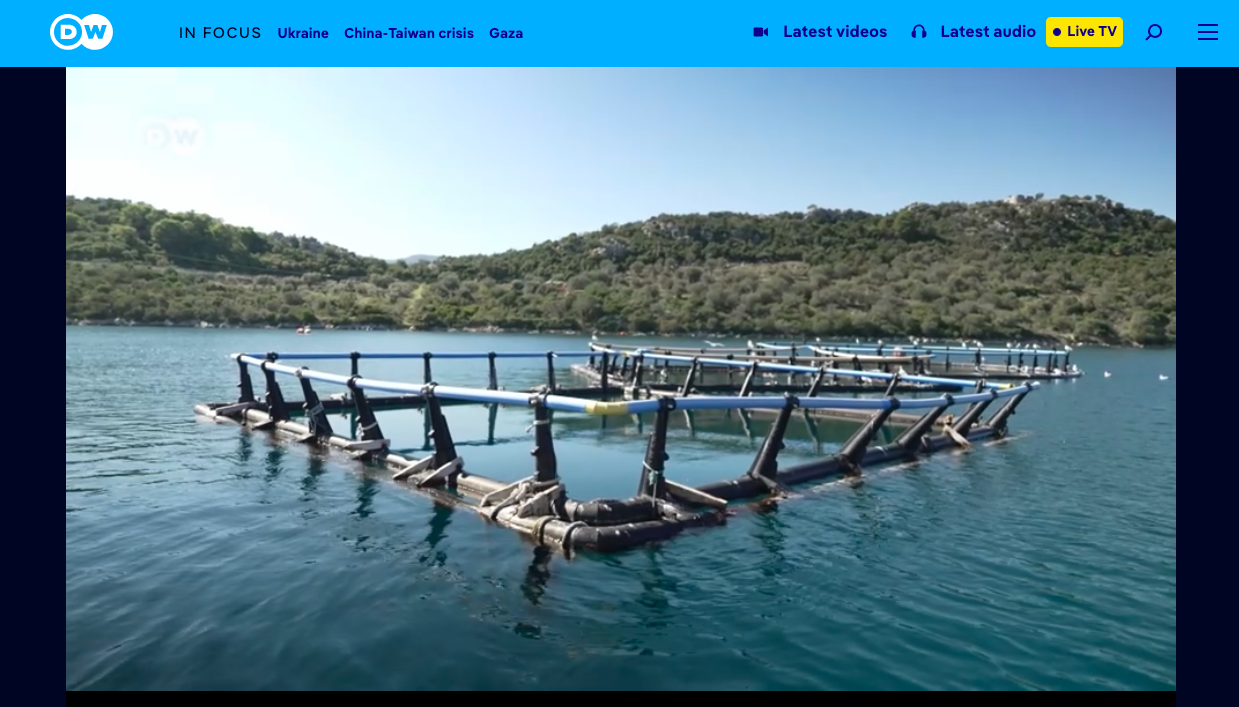
4) Greece Has a Problem with Ghost Fish Farms and This Foundation Is Trying to Tackle It (January 2025)
5) A Year After the Deadly Valencia Floods, a Photographer Reflects on the Damage of the Albufera Natural Park (October 2025)
GUIA BAGGI
As an independent journalist, she writes about the environment, as well as the relationship between humans and their surroundings. In recent years, she has been focusing on the impacts of climate change and other environmental crises on the Mediterranean region. Building on this experience, she co-founded Magma.That's it for this month. Thank you for reading this far. See you in February or earlier with the last issue of Lapilli+ as we know it.
If this newsletter was forwarded to you, you can subscribe here to continue receiving it. Lapilli is free and always will be, but in case you would like to buy us a coffee or make a small donation, you can do so here. Thank you!

