This issue of Lapilli is packed with stories about Mediterranean wildlife, both native and non-native. But first, we can't ignore the extreme heatwave that swept across Europe at the end of June — an event that is becoming increasingly frequent and is putting countries unaccustomed to such high temperatures under severe strain.
We then dive into the sea to explore stories about silver-cheeked toadfish in Greece, Japanese amberjack, illegally harvested sea urchins, monk seals in search of privacy, spinetail devil rays in Gaza and the ocean's ultimate predator: the great white shark, filmed underwater in the Mediterranean.
Happy reading!

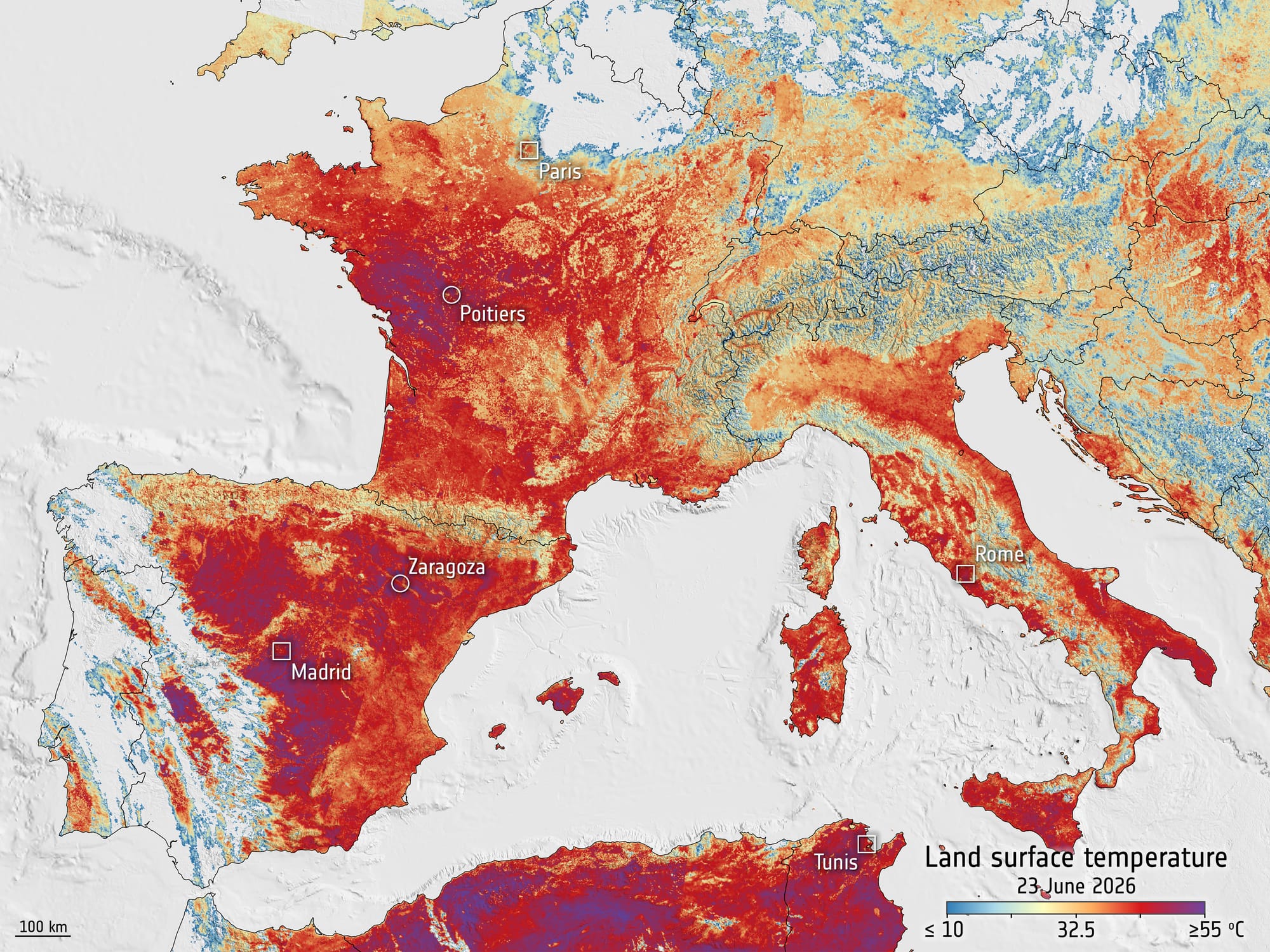
Extreme heat, unequal impacts. Europe closed the first half of the year under one of the most extensive and intense heatwaves ever recorded.
Following the world's second-warmest May on record, according to the Copernicus Climate Change Service, more than 269 million people experienced temperatures above 30 degrees Celsius (86 degrees Fahrenheit) during the final days of June, with peaks reaching 18 degrees Celsius (32.4 degrees Fahrenheit) above the seasonal average.
France and Germany were among the hardest-hit countries — not only because of the intensity of the heat, but because their building infrastructure is poorly adapted to prolonged extreme temperatures. Germany recorded 41.7 degrees Celsius (107.1 degrees Fahrenheit) in Coschen, near the Polish border, while in France the national public health agency estimates the heat may have contributed to approximately 1,000 additional deaths. As Director-General of the World Health Organization Tedros Adhanom Ghebreyesus noted, heat is a "silent killer": Europe's homes, workplaces and schools were simply not built for temperatures like these.
Using a thermal camera capable of measuring surface temperatures, photographer Michele Lapini documented a range of urban environments across Bologna, one of the Italian cities hardest hit by June's heatwave. His images reveal striking temperature differences between sun-exposed areas and air-conditioned interiors, and between poorly insulated homes and buildings designed to keep heat out. The images also show how people experience extreme heat differently, depending on their socio-economic status, occupation and the neighborhoods they live in.
Within the span of a single generation, extreme heat has become dramatically more common. According to the science initiative World Weather Attribution, events like the one recorded in June are now dozens to hundreds of times more likely than they were in 2003, whereas just 50 years ago they would have been virtually impossible.
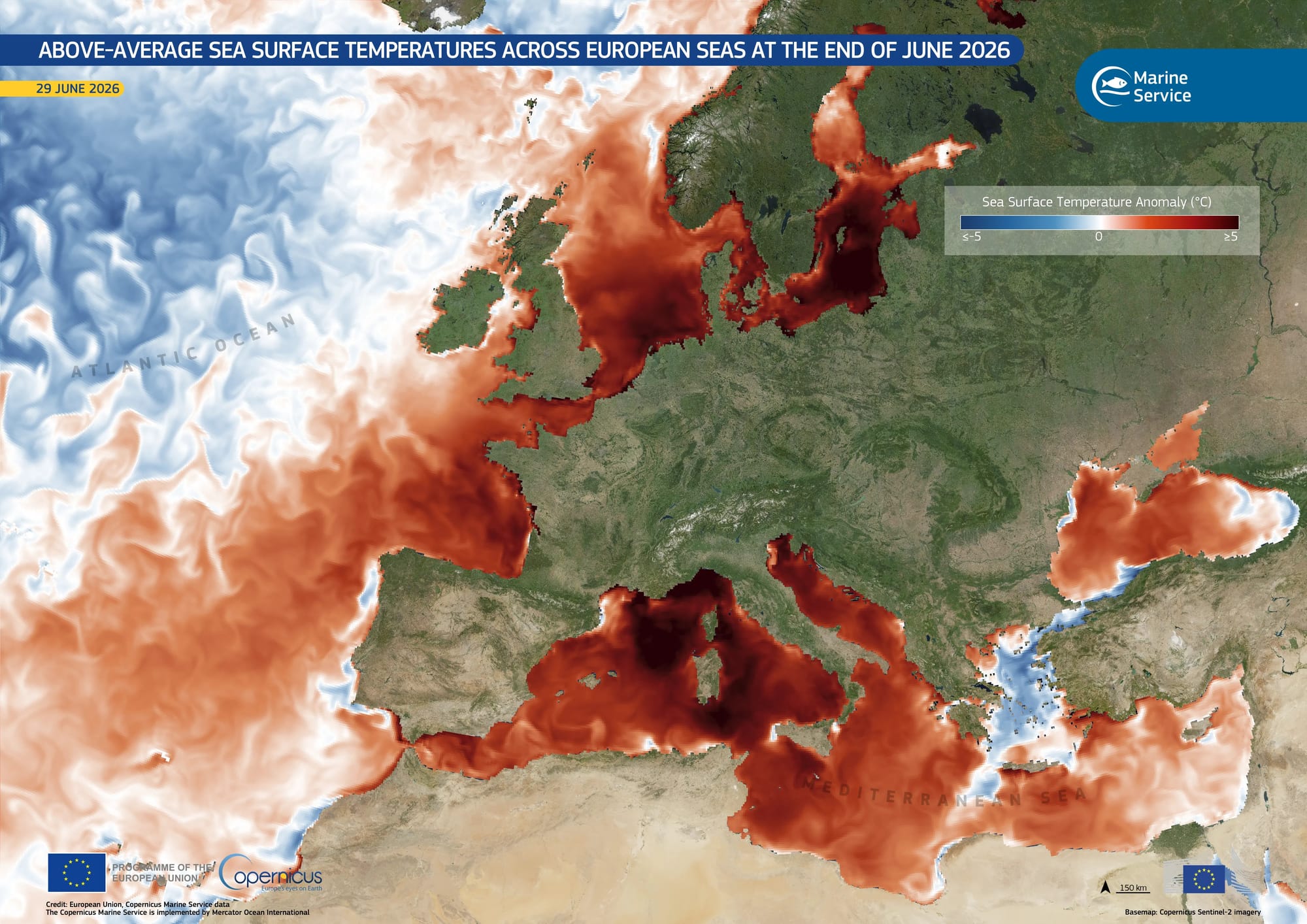
Abnormally high temperatures were also recorded at sea. The map above, produced by the Copernicus Marine Service, shows sea surface temperature anomalies on 29 June. Areas shaded in red and dark red indicate waters that were significantly warmer than the long-term average. Sea surface temperatures were around 6 degrees Celsius (10.8 degrees Fahrenheit) above average across parts of the western Mediterranean, particularly in the Gulf of Lion off southern France and in the Ligurian and Tyrrhenian seas along Italy's western coast. Farther east, in the Po Delta, unusually warm waters have contributed to mussel die-offs among shellfish farmers, according to the local newspaper Il Gazzettino.
Red Sea sardines, silver-cheeked toadfish and Japanese amberjack. In June, while fishing for anchovies off the coast of Lampedusa, local fishers caught around 100 Golani sardines (Etrumeus golanii), a species native to the Red Sea. The species was first recorded in Italian waters in 2006, with only sporadic sightings in the years that followed. This latest catch, however, suggests that the species is now established in the Strait of Sicily, adding to the growing list of marine species expanding into the Mediterranean as its waters warm.
In Greece, the media have spent weeks reporting on another species expanding across the Mediterranean after entering through the Suez Canal: the silver-cheeked toadfish (Lagocephalus sceleratus). Its numbers have increased markedly in Greek waters, drawing public attention after several incidents involving swimmers, including an elderly woman who was bitten off the coast of Attica and required hospital treatment, as well as dubious reports of suspected poisoning.
The fish contains tetrodotoxin, a powerful neurotoxin that makes it extremely dangerous to eat. But the situation is less alarming than many media reports and social media posts suggest. In a public statement, the Hellenic Centre for Marine Research stressed that there is no public health emergency and described the current climate of alarm as unjustified.
First recorded in Greece in 2005, Lagocephalus sceleratus is now considered one of the most problematic invasive species in the eastern Mediterranean. Greek authorities are considering launching a targeted fishing program to help contain its spread, following the example of Cyprus, where similar initiatives have already been introduced (Euronews).
The silver-cheeked toadfish is also one of the invasive species monitored by Italy's National Research Council and the Italian Institute for Environmental Protection and Research, which have long encouraged the public to report any sightings or captures.
Staying with the theme of new inhabitants of our sea, in February, a Japanese amberjack was caught for the first time in the Mediterranean, in the waters of the Porto Cesareo Marine Protected Area in southern Italy. Although it closely resembles the native greater amberjack, it can be distinguished by several morphological features. A second, larger specimen was caught a month later. Last month, researchers published a study examining the significance of these unusual captures.
It is still too early to tell whether the species is establishing itself in the Mediterranean. The study explores several possible pathways by which a fish native to the northwestern Pacific may have reached these waters and highlights the crucial role of fishers in helping scientists detect and document new species arriving in the Mediterranean (Geopop).

Sperm whale dialects. Like humans, sperm whales develop distinct "dialects" over time. A new study has found that sperm whales living in the eastern Mediterranean use a different vocal pattern from those in the western basin.
Sperm whales communicate through sequences of clicks that identify membership of specific "vocal clans." Until now, scientists believed that all Mediterranean sperm whales shared the same vocal repertoire. But after analyzing two decades of acoustic recordings, researchers found that whales in the Hellenic Trench, off the coast of Greece, produce these click sequences at a faster rhythm than whales living between Gibraltar and the Balearic Islands. Some eastern Mediterranean individuals, however, still use the older dialect found in the western basin.
According to the study authors, the difference reflects the species' history in the Mediterranean. Sperm whales are thought to have entered the basin around 20,000 years ago, gradually expanding from west to east, where a distinct dialect eventually emerged.
The findings shed new light on the cultural evolution of cetaceans and could also help inform conservation efforts. Mediterranean sperm whales are isolated from populations in the world's other oceans and are considered endangered. Fewer than 3,000 individuals are thought to remain in the Mediterranean, including fewer than 300 in the Hellenic Trench.
The population of this area faces an additional threat from oil and gas exploration. Seismic surveys rely on powerful underwater sound waves, and a growing body of research shows that this noise can impair the hearing of whales and dolphins, cause chronic stress and increase the risk of strandings — making an already vulnerable population even more at risk (Yale Environment 360).
Shy seals. The Mediterranean monk seal (Monachus monachus) is the only seal species native to the Mediterranean — and one of the rarest, with fewer than 1,000 individuals remaining. A new study examined the behavior of monk seals around the Greek islet of Formicula, where two sea caves offer potential resting sites. One cave is easily accessible to people, while the other can only be reached by swimming underwater into a chamber with an air pocket and no beach or ledge to rest on.
Monitoring the animals between 2020 and 2021, researchers found that, despite the more accessible cave being a more comfortable refuge, the seals consistently chose the harder-to-reach cave, where they could rest and breathe away from human disturbance (Mongabay).

Giant devil rays in Gaza. Mohammed Abu Daya, a Palestinian marine ecologist based in Gaza, has spent years studying the spinetail devil rays (Mobula mobular), a large pelagic ray listed as critically endangered. Since 2013, Daya has documented the impact of fishing on the species, which is often caught either accidentally or deliberately, as dwindling fish stocks and fishing restrictions leave local fishers with few alternatives.
One of his most important contributions is a study published in 2025 that used satellite tracking of nine individuals to show that spinetail devil rays undertake regular migrations across the Mediterranean and rely on the Levant as a key habitat between late winter and early spring. The findings provide crucial information for designing more effective conservation measures.
In a recent interview with Mongabay, Daya tells how the outbreak of war in 2023 transformed his life. He lost his home, his university office and access to the sea, and now lives in a tent under extremely difficult conditions. Despite this, he continues to collaborate with international researchers, analyzing data collected before the war and contributing remotely to ongoing scientific projects.
The unsustainable cost of sea urchin spaghetti. Off the coast of Naples, the illegal harvesting of purple sea urchins (Paracentrotus lividus) — highly prized for the Italian pasta dish spaghetti ai ricci — is threatening the ecosystem of the Marine Protected Area (MPA) Gaiola Underwater Park, as reported in a long investigation by Manuela Callari for Mongabay.
Poachers use a so-called hookah system, which supplies air from a compressor on the boat and allows them to remain underwater for hours. During one enforcement operation in 2025, authorities seized 976 sea urchins collected in just 75 minutes. In another raid, they recovered around 500 harvested in less than an hour.
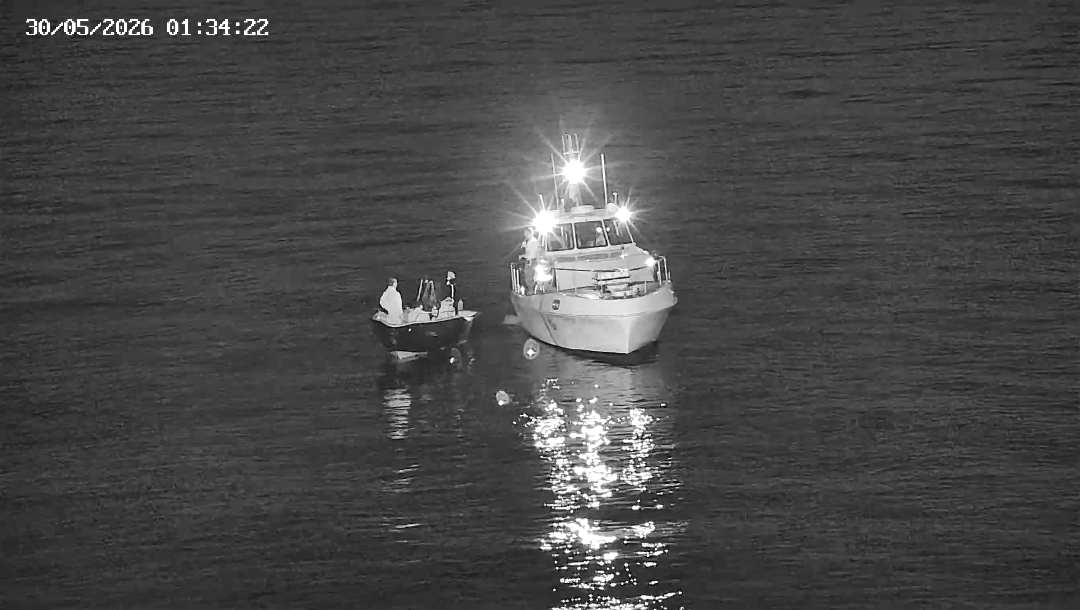
Poaching is particularly intense inside the reserve because sea urchins remain relatively abundant there, while populations in surrounding waters have been largely depleted.
Sea urchins play a crucial ecological role. By grazing on algae, they help maintain biodiversity and provide food for fish such as sargo and seabream. As sea urchin populations decline, these fish also disappear, with knock-on effects for legal fisheries.
Experts estimate that 80–90 percent of all sea urchins harvested in the region are taken illegally. Campania has issued no commercial licences for sea urchin fishing, meaning that virtually every plate of fresh, locally caught sea urchins served in restaurants is likely to come from the black market.
Italian law bans harvesting during May and June, the breeding season, but still allows collection at other times of the year and permits individuals to gather up to 50 sea urchins per person for personal consumption — a limit many scientists consider unsustainable. While poaching is a criminal offence inside marine protected areas, surrounding coastal waters have been so heavily depleted that illegal fishers increasingly target protected reserves instead.
Sardinia introduced a four-year moratorium in 2022, followed by Apulia in 2023. But conservationists argue that regional bans merely shift fishing pressure elsewhere, calling instead for a nationwide moratorium and a revision of existing legislation based on ecological evidence rather than arbitrary catch limits.

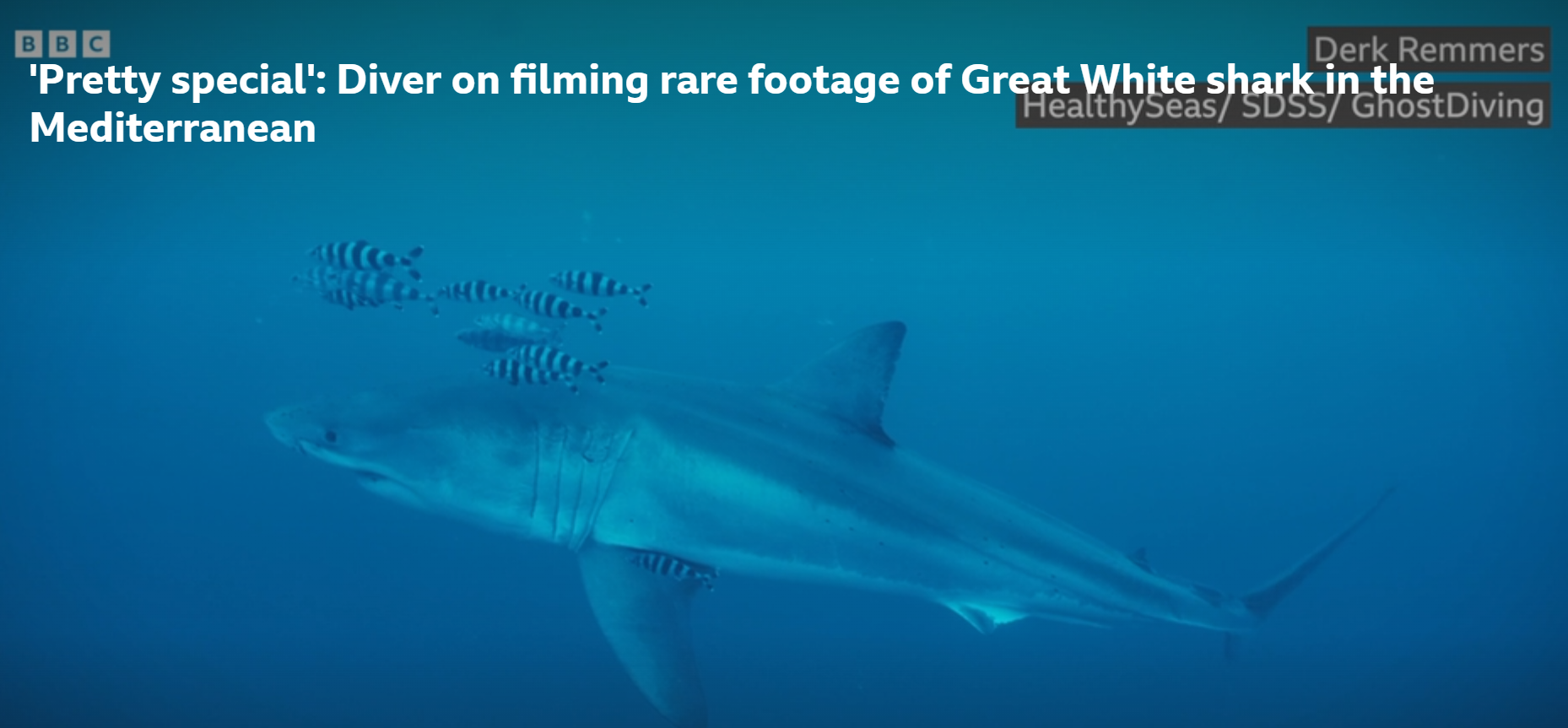
The encounter took place during an offshore mission to remove ghost nets, organized by the Healthy Seas Foundation together with Ghost Diving and The Society for Documentation of Submerged Sites. While recovering abandoned fishing nets from a shipwreck in the waters between Sicily and Tunisia, divers filmed a great white shark swimming through the area. Although the species has occasionally been spotted at the surface over the years, this is believed to be the first documented underwater encounter in the Mediterranean.
The sighting occurred in the Strait of Sicily, a biodiversity hotspot that is also one of the Mediterranean's most heavily exploited fishing grounds. The ghost nets the team was removing continue to entangle and kill sea turtles, large fish and other marine wildlife long after they have been abandoned.
The cover image by Davide Mancini is based on a photograph depicting two sea urchins on the seabed of the Gaiola Underwater Park in the Gulf of Naples. Photograph courtesy of Maurizio Simeone.

GUGLIELMO MATTIOLI
As a multimedia producer, he has contributed to innovative projects using virtual reality, photogrammetry and live video for The New York Times. In a past life, he was an architect and an urban planner, and many of the stories he produces today are about the built environment. He has worked with publications such as The New York Times, The Guardian and National Geographic. Born and raised in Genoa, Italy, he has been living and working in New York City for more than 10 years.That's it for this month. Thank you for reading this far. See you in August.
If this newsletter was forwarded to you, you can subscribe here to continue receiving it. Lapilli is free and always will be, but in case you would like to buy us a coffee or make a small donation, you can do so here. Thank you!

