In this issue of Lapilli we look at the unusually high average temperatures recorded last year in the “white sea in between,” as the Mediterranean Sea is known along its eastern and southern shores, and at the impacts these shifts are having on the species that inhabit it. A threat for some, moving into deeper waters; an opening for others, including exotic species. We also highlight projects and research that outline scenarios and possible responses to rising sea levels, helping to better face the extreme events that will shape the near future.
We also take the chance to let you know that the pilot issue of our magazine is now available online via Edicola 518 and Newsstand. It will soon land at the Turin International Book Fair and at Una Marina di Libri in Palermo, alongside other titles at the Astarte stand.
We are currently looking for supporters for the second issue and any suggestions in that direction are very welcome.
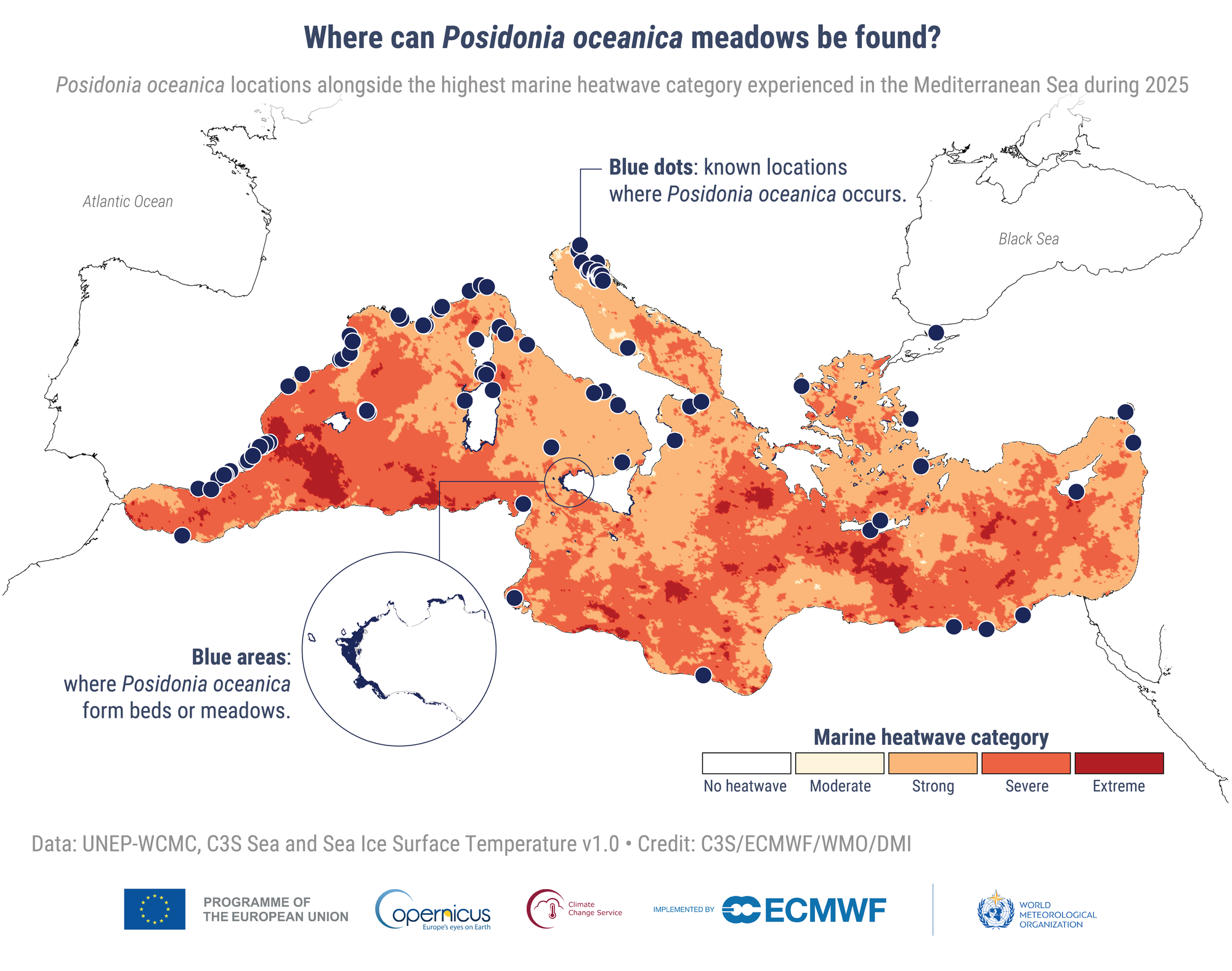
State of the Mediterranean climate. As every year, the European Centre for Medium-Range Weather Forecasts and the World Meteorological Organization have released their report on the State of the European climate. In the Mediterranean region, the most striking figures center on marine heatwaves, with the report dedicating an entire chapter to exploring their effects on marine ecosystems.
Particular attention is given to Posidonia oceanica, also known as Neptune grass, which, as noted in previous issues of this newsletter, performs several essential ecosystem functions. Meadows of this coastal seagrass slow erosion by stabilizing the seabed, create an ideal habitat for countless species and store large amounts of carbon in the sediments.
Marine heatwaves, bottom trawling and pollution, however, can severely damage Neptune grass. According to the report, heatwaves have shifted from occasional events to recurring annual episodes. In 2025, the Mediterranean Sea recorded its second warmest year on record, with an average temperature of 21.35 degrees Celsius (70.43 degrees Fahrenheit), just below the 21.50 degrees Celsius (70.70 degrees Fahrenheit) of 2024. The areas affected by heatwaves have also expanded, as has their intensity.
The report warns that if carbon dioxide emissions continue at current levels, this iconic Mediterranean seagrass could disappear by the end of the century.
There is, however, a positive note in the many initiatives underway for the restoration and conservation of Posidonia oceanica. Of one of these, we will talk about in a few lines below.
Ghost tanker. We covered it last month, but the Arctic Metagaz continues to drift through the central Mediterranean Sea, off the coast of Libya, with no state willing to take responsibility. At 277 meters long (about 909 feet) and flying a Russian flag, the tanker was likely struck in early March by Ukrainian combat groups based in Libya.
Under international law, it is up to coastal states — in this case Malta, Italy and Libya — to prevent environmental disasters, yet none has acted in line with Mediterranean protection protocols. “Alongside the 61,000 metric tons of LNG (liquefied natural gas) from its original cargo, the wreck still holds around 900 metric tons of heavy fuel oil (bunker), 100 metric tons of diesel and unspecified quantities of solvents and paints,” writes Federica Rossi in the Italian newspaper Domani — a ticking environmental time bomb should it sink.
The most recent recovery attempt, at the time of writing, dates back to April 22, according to The New York Times. Libyan authorities tried to tow the vessel toward the coast near Benghazi, but the cable snapped and the tanker drifted back out to sea. It was the second attempt to recover the wreck since it was abandoned.
Tumbling Hills. In early April, southern and central Italy were hit hard by heavy rains brought by storm Erminio, prompting the government to declare a year-long state of emergency for Abruzzo, Molise, Puglia and Basilicata. Along the Adriatic coast, a small town has seen the reactivation of a historic landslide affecting an area of roughly four square kilometers (1.5 square miles), with visible cracks opening in the asphalt and damage spreading to roads and railway lines. This slow movement of the hillside toward the sea has been ongoing for more than a century, resurfacing whenever prolonged and intense rainfall returns.
Another crab. We barely had time to get used to the blue crab in the Mediterranean Sea when a new species native to the Red Sea began to show up. Like the blue crab, Gonioinfradens giardi belongs to the Portunidae family. It has recently been recorded for the first time in Sicily, in the southeastern area of Porto Palo and later along the coast near Catania. According to researchers, it is still too early to understand what impact it may have on the ecosystem, especially after the significant ecological and socio-economic effects caused by the blue crab. For now, it marks the arrival of yet another tropical species along Mediterranean shores, while the lionfish continues to be sighted in Italian waters.

Marine migrations. Over the past twenty years, around half of the most commercially traded fish species in the Mediterranean Sea have shifted their distribution, reports The Conversation. Climate-driven changes in marine waters have led some fish and mollusks to “migrate” both in latitude and in depth. Unlike the global trend, where many marine species move northward or into deeper waters in search of cooler conditions, in the western Mediterranean several species — such as the starry skate — are instead shifting toward the southwest. This pattern suggests that responses to climate change are complex, uneven and far from predictable.
Passive restoration. Along the coast off Marseille, large marine areas are once again being covered by Neptune grass. A highly encouraging trend, according to those involved in GIS Posidonie, a project based on passive restoration — letting nature regenerate without direct human intervention.
Researcher and co-author Patrick Astruch emphasizes that this seagrass is the “most important ecosystem mechanism” in the Mediterranean Sea. In the decades leading up to 2009, the Mediterranean had been losing on average 7 percent of its underwater Posidonia oceaninca meadows each year, due to untreated urban discharge, bottom trawling and other forms of industrial pollution.
The study, cited by Mongabay, instead records a remarkable, if gradual, recovery for the Bay of Marseille: From the 1980s to 2025, some areas have seen seabed coverage increase from 6 to 81 percent.
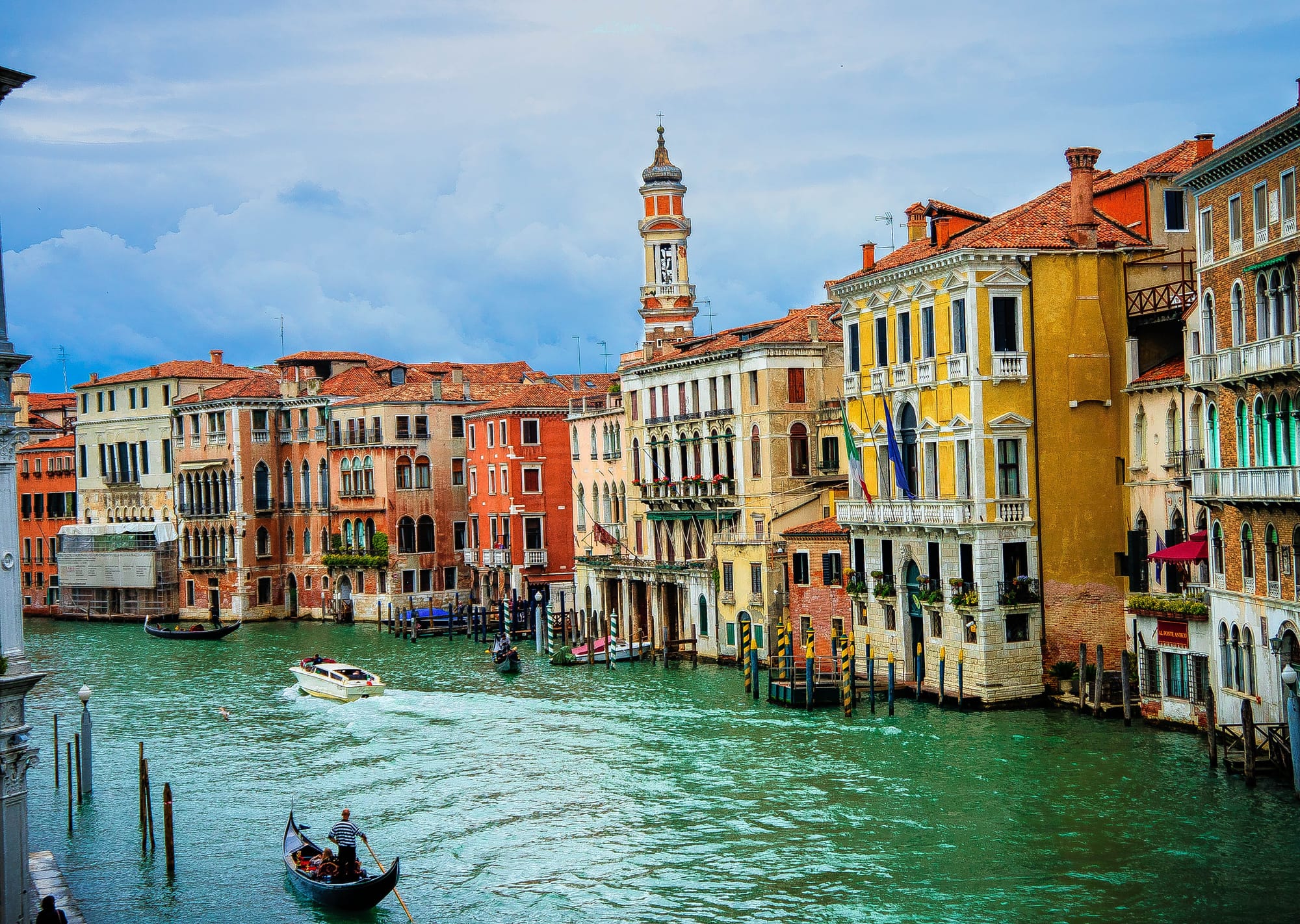
What to do with Venice? A recent study, published in Nature, examines the scenarios facing a city that has become emblematic of the risks tied to rising sea levels. The largest lagoon in the Mediterranean Sea, covering 550 square kilometers (about 212 square miles), hosts not only the monumental city itself but also a complex ecosystem and one of Italy’s main ports.
Here, sea levels are expected to rise by between 42 and 81 centimeters (roughly 16.5 to 32 inches) by 2100, depending on how effectively global greenhouse gas emissions are reduced. For historic Venice, this could mean daily flooding affecting between 15 and 98 percent of the city.
The study outlines four possible strategies. The first maintains the current “open lagoon” system, already supported by the MoSE system, which mitigates flooding under specific conditions. A second scenario envisions a massive protective ring within the lagoon, keeping canal water levels stable inside it while sea levels continue to rise outside. A third proposes sealing off the lagoon entirely, fundamentally altering its ecology and effectively turning it into a lake. Finally, there is the stark scenario of gradual abandonment, with Venice slowly yielding to the sea and the possible relocation of some key historical monuments to the mainland.

Not only Venice. The Comacchio Valleys, about 60 kilometers (37 miles) south of the Venetian lagoon, are slowly sinking as sea levels rise. Today these wetlands — already marked in blue on Google Maps as if they were a body of water, as they once were before land reclamation — sit just 20 centimeters (around 8 inches) above sea level. In National Geographic Italia, journalist Alex Giuzio recounts the challenges facing this brackish environment, accompanied by photographs by Michele Lapini.
Concerns are also rising along the coasts of Spain, as reported by The Guardian. The Costa del Sol, on the Alboran Sea, could be at risk of tsunamis, given the geological formations underlying one of the Mediterranean’s main tourist destinations. Meanwhile, on the Atlantic side, Chipiona, a small municipality in Cádiz, became in 2024 the first town in Spain to be officially recognized as tsunami-ready by the Intergovernmental Oceanographic Commission of UNESCO, preparing for potentially devastating events in coastal areas historically exposed to such risks.
Bees, water and bombs. In southern Lebanon, Israeli bombardments are also hitting water systems and the few remaining honey producers. New Lines Magazine features two reports from a Levant shaken by war, where violence continues despite promises to the contrary. Beekeepers in the south have lost swarms, hives and equipment due to the attacks, bringing them close to collapse. After years of effort to rebuild bee populations previously decimated by pesticides, this new loss of pollinators could have serious consequences for agriculture, worsening an already severe national crisis.
Meanwhile, the entire water system of Tyre, home to around 70,000 people, depends on a network of stations manually operated each day by workers who risk their lives to ensure the city’s water supply. Targeting civilian water infrastructure is not new. A 2025 report by Oxfam lists 25 water stations and 28 pipelines damaged or destroyed by Israeli strikes, pointing to a deliberate strategy.
Lynxes versus cats. In a town near Toledo, an Iberian lynx has sparked public outrage after killing several domestic cats roaming freely through the streets. As a protected species, the lynx cannot be harmed, under penalty of heavy fines. Researchers explain that this behavior is natural for a top predator: Carnivores often attack other species within the same family not primarily for food, but to eliminate competition and secure access to prey, such as rabbits in the case of the lynx.
The unexpected public reaction in defense of the cats also raises broader questions about the large number of domestic felines left to roam freely. These animals are themselves predators and potential carriers of disease affecting other species, though less visibly so. It also feeds into the ongoing debate over the protection of wild carnivores like the lynx and their interaction with domesticated animals.

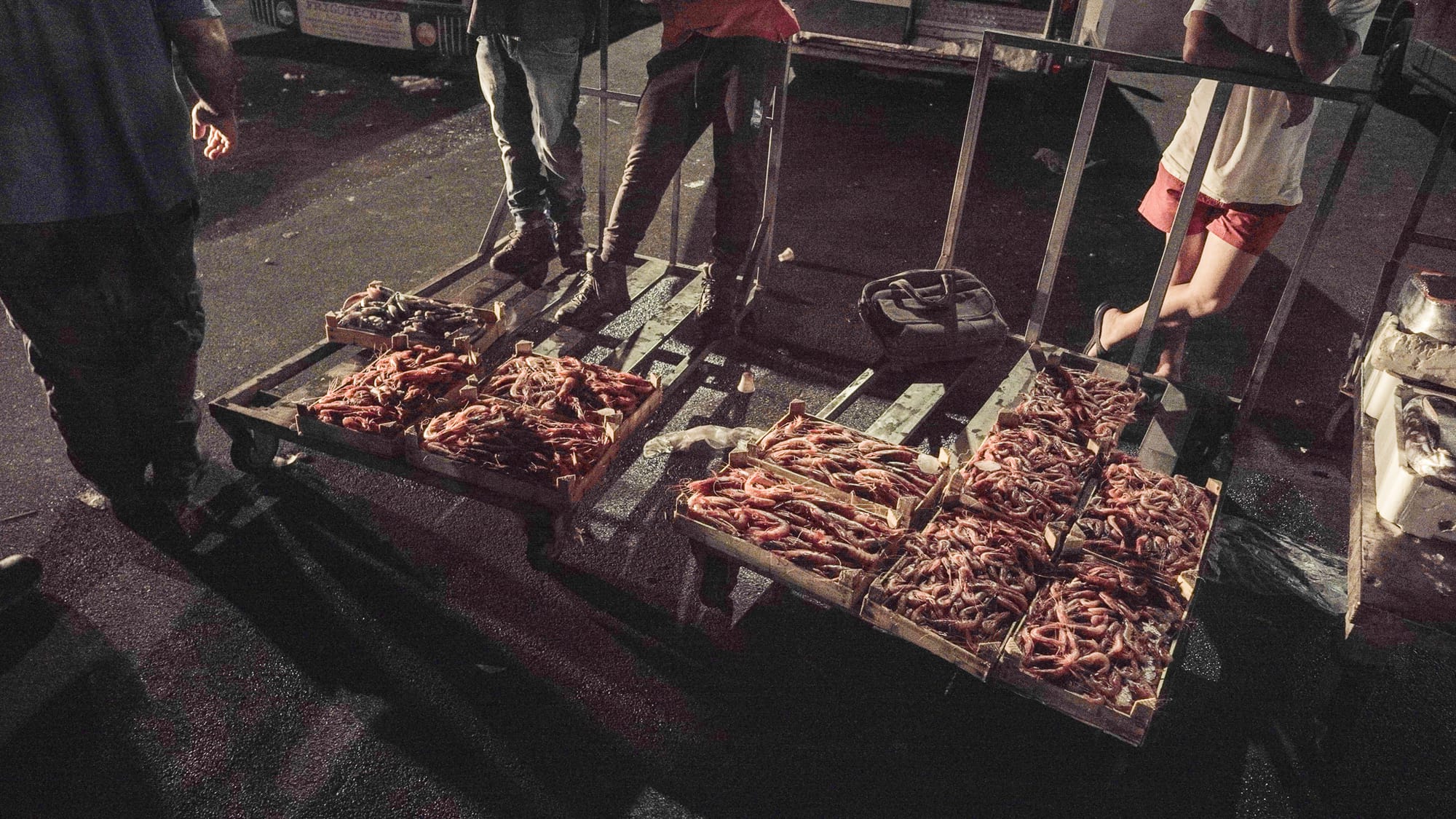
Mazara’s red shrimp, caught in Libya. An investigation by IrpiMedia reveals that the prized red shrimp often associated with Mazara del Vallo may in fact be caught in Libyan waters, and then transferred onto Italian fishing vessels. Transshipment at sea is illegal throughout the Mediterranean Sea, as it bypasses port controls and allows, as in this case, the falsification of origin.


DAVIDE MANCINI
As a freelance journalist, he writes, photographs and films the changes that are affecting the Mediterranean region, with a focus on the environment. He has published several investigations with international media on issues such as forest fires, illegal fishing and sea pollution. Here is a link to his published work.That's it for this month. Thank you for reading this far. See you in June.
If this newsletter was forwarded to you, you can subscribe here to continue receiving it. Lapilli is free and always will be, but in case you would like to buy us a coffee or make a small donation, you can do so here. Thank you!

