The planet keeps warming, yet climate change is slipping off the front pages. As a March article in Grist noted, global media coverage of climate issues has dropped 38 percent from its 2021 peak. Other stories are competing for headlines — wars, economic uncertainty, political upheaval — and a certain “climate fatigue” can leave audiences overwhelmed by a crisis with no easy solutions.
In this edition of Lapilli, as always, we continue to focus on these issues, trying to make sense of them. We start with Spain, which has invested in renewable energy sources for years and today finds itself in an advantageous position compared to countries that depend on fossil fuels. Gas and oil must be transported to every corner of the world, and the environmental risks of this trade are even greater given the current global instability. A case in point: the Russian tanker adrift in the central Mediterranean, carrying a potentially explosive cargo of gas and diesel.
From there, we move to Montenegro, where a real estate project risks turning miles of unspoiled beach into a luxury resort. Then to Türkiye, where tons of plastic waste end up in rivers and the Mediterranean every year, even threatening the nesting sites of sea turtles. But not before following the trail of a pygmy sperm whale that appears to roam the Mediterranean without ever being spotted. And one more scientific note: In the Eastern Alps, researchers are extracting thousands of years of climate memory from glaciers before they melt away. Enjoy the read!

Spain's advantage. Spain has established itself as a positive exception in the current energy crisis triggered by the geopolitical tensions that have upended oil and gas markets, following the war that the United States and Israel started against Iran. While many countries are seeing electricity costs surge, Prime Minister Pedro Sánchez attributes Spain's relative price stability to investments in renewable energy, which now covers around 60 percent of national electricity production. Thanks to favorable conditions — abundant sunshine and wind — Spain relies less frequently on gas, limiting the impact of price rises on consumers (Financial Times).
The picture, however, remains complex. The European pricing system means that even limited gas use can affect the final cost, and the country continues to depend on fossil fuels for heating and transport. Spain's experience shows how developing clean energy sources can reduce exposure to the volatility of global markets, but the question of how replicable this model is across the rest of Europe remains open (Politico).
Adrift in the Mediterranean. At the beginning of March, the Russian tanker Arctic Metagaz drifted through the waters between Malta, Lampedusa and the Gulf of Sirte, off Libya, in the central Mediterranean, after a fire broke out on board. Putin blamed Ukraine for striking the vessel with a drone — an accusation Kyiv has not commented on. At the time of publication of this Lapilli, Libya had towed the damaged ship to the limits of Malta's SAR (Search and Rescue) zone, to then abandon the salvage operation due to deteriorating weather conditions. The vessel carries 61,000 metric tons of liquefied natural gas and 700 metric tons of diesel, making it dangerous for rescue teams to approach. The Metagaz is part of Russia's “ghost fleet” — ships that frequently change name, flag and ownership to circumvent international sanctions. Having sailed from Murmansk, Russia, in February and bound for the Suez Canal, it is believed to have traveled part of the route turning off its transponder to evade controls. The situation quickly became a diplomatic headache: No country appears willing to take on the responsibility and costs of securing the vessel. As journalist Stefano Liberti notes, the case highlights how the Mediterranean is becoming a “theater of hybrid warfare,” with environmental consequences that affect everyone (Internazionale).
Floods in Syria. The province of Hasakah, in north-eastern Syria, has been hit by at least two waves of heavy rainfall that caused the Khabur river to overflow, flooding around 700 homes and leaving more than 200 families without shelter. The floods damaged the bridge over the Khabur and cut off the M4 highway, making evacuation operations necessary. National authorities and humanitarian partners coordinated the distribution of aid, while further rainfall is forecast across much of the country. Against the backdrop of an ongoing and unstable political transition, the disaster has laid bare the gaps in emergency response (Al Jazeera).
At the time of publication of this issue of Lapilli, Italy has also experienced heavy rainfall across Molise, Abruzzo and Puglia, which we will cover in more depth next month.

Six thousand years of memory melting away. An international team of scientists is racing against time to extract ice cores from the Weißseespitze glacier in the Eastern Alps, on the border between Austria and Italy, before it melts away entirely. Located at nearly 3,500 meters (about 11,400 feet) above sea level, the glacier holds ice dating back 6,000 years — a natural archive built up over millennia, sealing within it atmospheric particles that tell the story of Earth's climate: traces of pollution from the Roman era, medieval mining activity, agricultural fires and volcanic eruptions in the northern hemisphere. According to a study published in Frontiers in Earth Science, a 33-feet core revealed, for example, peaks in arsenic linked to silver and copper mining between the 11th and 17th centuries, as well as to volcanic eruptions. It also showed signs of recurring fires, connected both to the Medieval Warm Period — marked by episodic droughts that triggered local blazes — and to deliberate deforestation by local populations clearing land for agriculture. But the glacier is disappearing rapidly: In just six years, 4.5 meters (about 15 feet) of ice have melted, likely erasing centuries of atmospheric history forever. In the Eastern Alps, scientists estimate that 30 percent of glaciers could disappear entirely by 2030 (Popular Science).
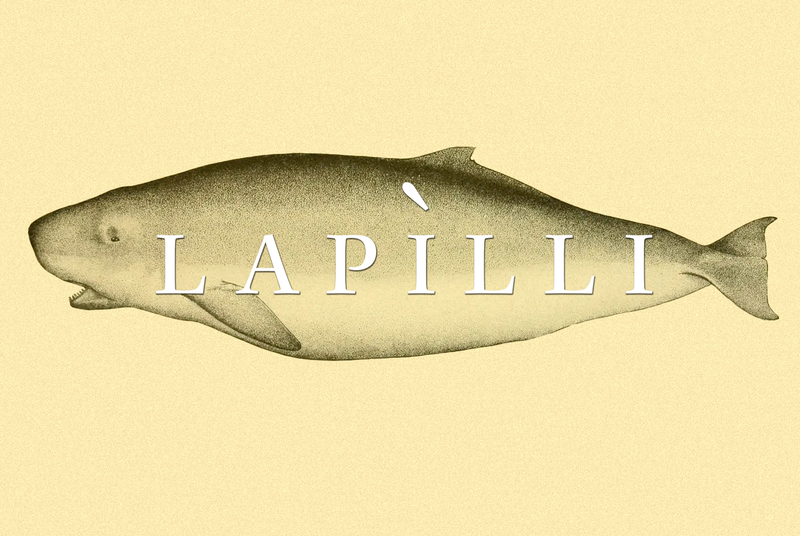
Traces of DNA reveal a rare whale. Although it has never been spotted in the Mediterranean, the pygmy sperm whale has quietly revealed its presence through faint genetic traces released into the water. Analyzing seawater samples at hundreds of points, a team of researchers led by the University of Milano-Bicocca detected, through environmental DNA, the presence of a species known as Kogia breviceps (to which we dedicated the cover image), ranging between the Tyrrhenian Sea and the Strait of Gibraltar. A study recently published in the scientific journal Mammal Review suggests that this elusive cetacean, which feeds mainly on squid, may have long remained hidden beneath the surface (Il Sole 24 Ore).

A luxury coastline. A development project by Emirati businessman Mohamed Alabbar is stirring controversy in Ulcinj, a small city in southern Montenegro. In March 2025, it emerged that Alabbar had secured concessions over 2.5 miles of Velika Plaža, a protected natural area and one of the last unspoiled stretches of the Montenegrin coast. A leaked draft agreement points to a far more ambitious plan: transforming the entire 7.5-mile beach into a luxury resort. It would not be the first time that Alabbar's projects — from the Burj Khalifa in Dubai to the Belgrade Waterfront — have drawn backlash from local communities. The proposal is part of a broader cooperation agreement on tourism and real estate between Montenegro and the United Arab Emirates, designed to attract foreign investment and stimulate economic growth. While the Montenegrin government argues the deal could create jobs and accelerate development and tourism, the project has sparked protests from residents, environmental groups and local politicians, concerned about the possible privatization of and ecological damage to one of the country's most precious stretches of coastline. Critics fear that granting concessions over large portions of Velika Plaža could undermine local livelihoods, biodiversity and public access to the beach. Concerns have also been raised about the transparency of the agreement and its compatibility with European Union rules, as Montenegro continues its path toward EU membership. Meanwhile, Alabbar has sought to improve his public image by funding local schools and sports associations, while continuing to explore further tourist investment opportunities in the country (Altreconomia).
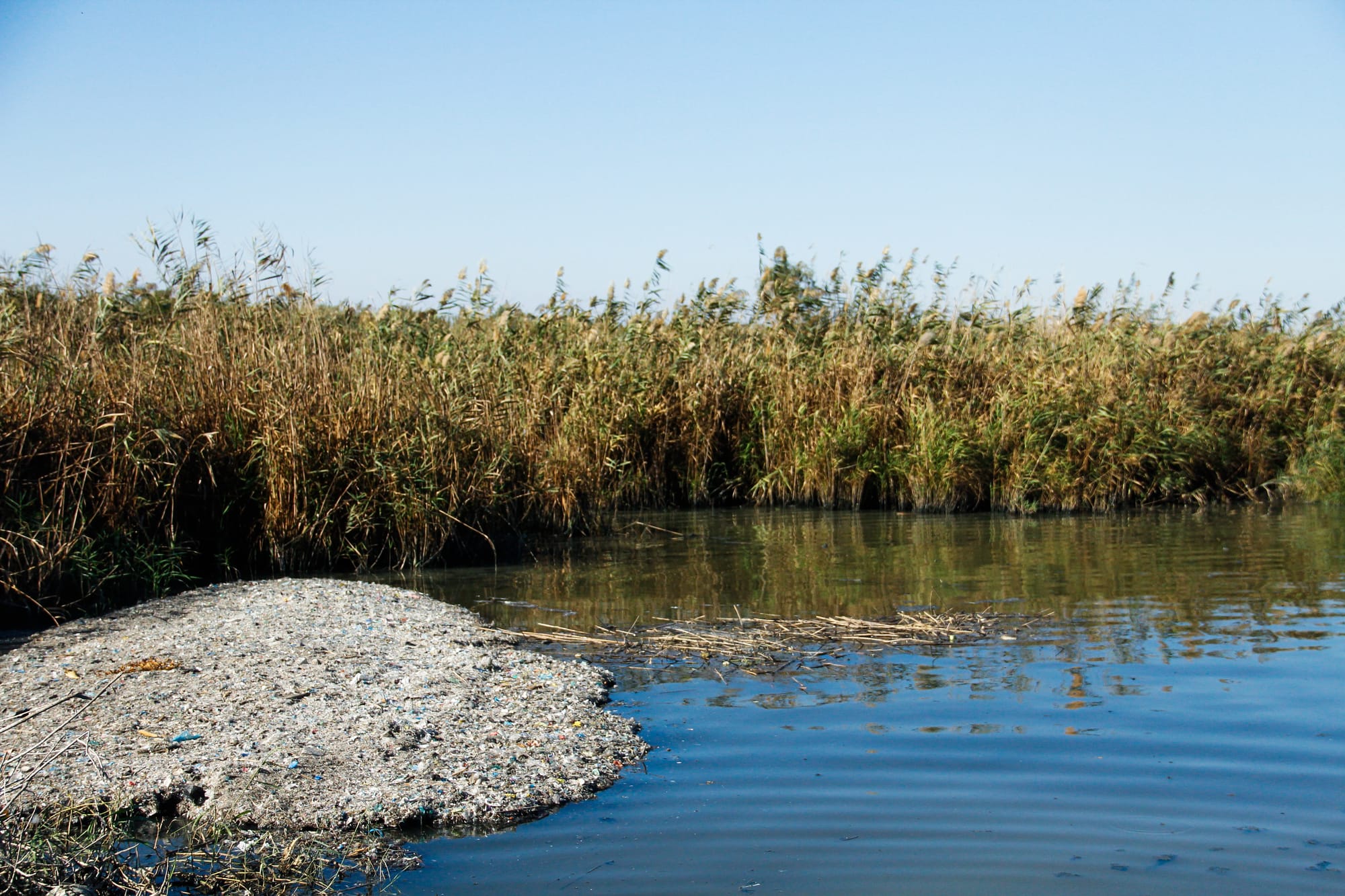
Europe's waste, Türkiye’s burden. Türkiye has become one of the main hubs for plastic recycling, receiving vast quantities of waste from Europe and the United Kingdom. Much of this waste ends up at facilities in the southern province of Adana, along the Seyhan river — but a significant share is illegally dumped along riverbanks or discharged through untreated wastewater, eventually reaching the Mediterranean. Local fishermen describe a deterioration of habitats along the river and experts denounce an industry that struggles to process mixed low-quality materials. The consequences extend to marine wildlife: Plastic in the sand can alter the reproductive behaviour of green turtles, which nest in this area and appear to avoid the most contaminated sites. The Turkish government defends the recycling industry as economically indispensable, but environmentalists and local residents tell a different story: Profits go to a few, while communities and ecosystems pay the price (Mongabay).
A fleeting return. During the 2020 lockdowns, the Tagus river in Lisbon fell unusually silent — no boats, no traffic, no fishermen — and the common dolphin (Delphinus delphis) returned. Marine biologist Francisco Martinho had noticed that rarely seen individuals were coming back to populate the waters. But five years on, the dolphins are disappearing again. Boat traffic has resumed and now exceeds pre-pandemic levels, driven by a booming cruise industry. Fish stocks in the estuary have declined, and since dolphins are drawn primarily by prey, fewer fish means fewer dolphins. Their story adds to a growing body of research showing that the wildlife benefits seen during lockdowns were largely short-lived — a window in which the temporary withdrawal of human activity made room for nature, before everything returned to how it was before. Scientists suggest the answer is not to make cities more welcoming to dolphins, but to restore the coastal ecosystems to which these animals belong (bioGraphic).
“Community of salt.” Through the newsletter Paludi by FACTA, we travel to Cagliari, in Sardegna, where the Conti Vecchi saltworks are presented as a virtuous example of coexistence between industry and nature. Built in the 1920s across 2,700 hectares of the Santa Gilla lagoon by engineer Luigi Conti Vecchi, the saltworks — today managed by the National Trust for Italy — still produce around 400,000 metric tons of salt per year, while hosting flamingos and visitors alike. Around the saltworks, a “community of salt” had grown up: houses, workshops, communal spaces, even a nursery school and tennis courts — a self-contained world that today lives on in the memories of those who grew up there. FACTA journalists and co-founders Giulia Bonelli and Elisabetta Tola traveled to Sardinia to explore the “Conti Vecchi model” and assess whether it could be replicated at other Italian saltworks, as part of an investigative project developed in collaboration with journalists from Montenegro.


LUCIA DE STEFANI
Editor for an American student magazine, she also works as a freelancer writing about photography and illustration. She lives and works in New York, but returns to the Mediterranean as soon as she can.That's it for this month. Thank you for reading this far. See you in May.
If this newsletter was forwarded to you, you can subscribe here to continue receiving it. Lapilli is free and always will be, but in case you would like to buy us a coffee or make a small donation, you can do so here. Thank you!

