In a world — and a Mediterranean basin — increasingly shaped by war, we try not to lose sight of the issues that define our work, even when they may seem less urgent compared with unfolding human and geopolitical crises.
Before revisiting what struck us most over the past month, we would like to highlight a few reflections on the link between the most recent war and climate change — a war that once again underscores our energy dependence on fossil fuels. As two newsletters — one by author and environmentalist Bill McKibben and the other by journalist Alec Luhn — note, it is hard to ignore that fossil fuels appear to be a common thread in U.S. President Donald Trump’s recent geopolitical moves, from Venezuela to Iran.
Luhn writes in his newsletter: “If Trump actually achieves regime change in Iran, American fossil fuel companies have said they ‘would get a lot more oil’ out of Iran’s proven reserves,” among the largest in the world. He then adds: “Some researchers think more global conflict will lead to less climate action, as money and political will is diverted toward war.”
Back to Lapilli. In this issue, we examine the intense storms that struck the western Mediterranean between mid-January and mid-February. We look at a study on Spain’s “ghost” population of great white sharks, then head to Greece, where debate over the future of aquaculture is growing louder. We also highlight an article exploring how volcanic ash can be used in agriculture and construction instead of being treated as waste. And, as always, much more.

Intense rainfall and flooding in the western Mediterranean. Global warming intensified a series of winter storms that hit Spain and Portugal between mid-January and mid-February. Nine storms followed in rapid succession, causing severe flooding, at least six deaths in Portugal, more than 12,000 evacuations in Spain and widespread damage. Madrid has already allocated €7 billion in aid ($8.1 billion). In Portugal, damage is estimated at €6 billion ($7 billion) — more than 1.5 percent of gross domestic product — with significant repercussions for public finances.
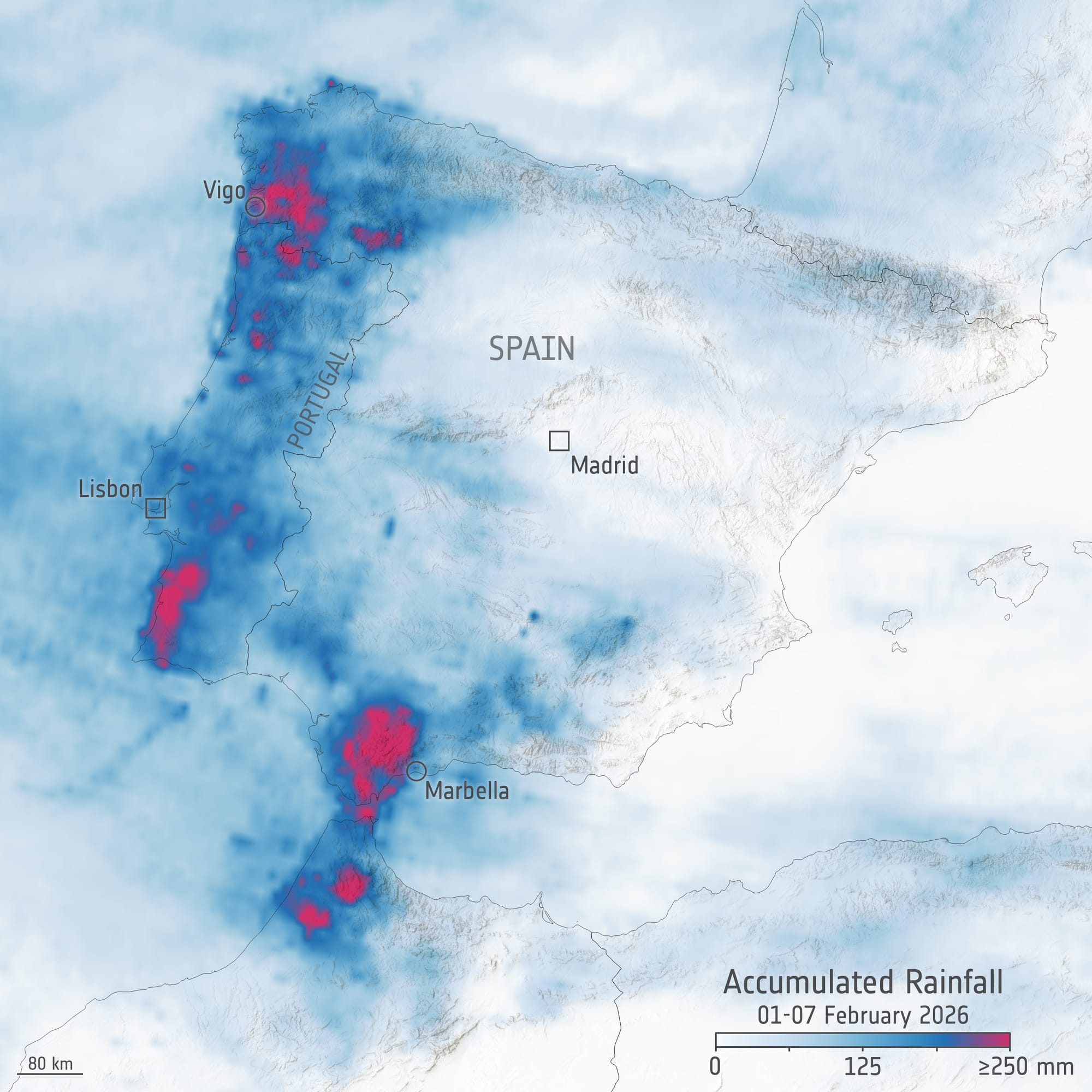
A study by World Weather Attribution examined two of the storms in particular: one stretching from northwestern Spain to Portugal, and another affecting southern Iberia and northern Morocco. Researchers concluded that climate change increased rainfall intensity by 36 percent in the first case and 28 percent in the second.
The storms were fueled by an atmospheric river — a long, narrow corridor of concentrated water vapor in the atmosphere — strengthened by a marine heatwave in the Atlantic that global warming made about 10 times more likely.
“Because this atmospheric river passed over this very warm patch of ocean, it was able to pick up more moisture than it would have if the ocean had been cooler, and that means that when that rain makes landfall … there is more water to fall,” Clair Barnes, a researcher at Imperial College London’s Centre for Environmental Policy and a co-author of the study, told Politico.
Like the Iberian Peninsula, Morocco also experienced heavy rainfall in February. In just 12 months, the landscape has changed dramatically. In February 2025, northeastern Morocco was facing severe drought. A year later, after two months of intense rainfall, previously arid land has turned into a broad expanse of green vegetation. Images from the Copernicus Sentinel-3 satellite illustrate the contrast.
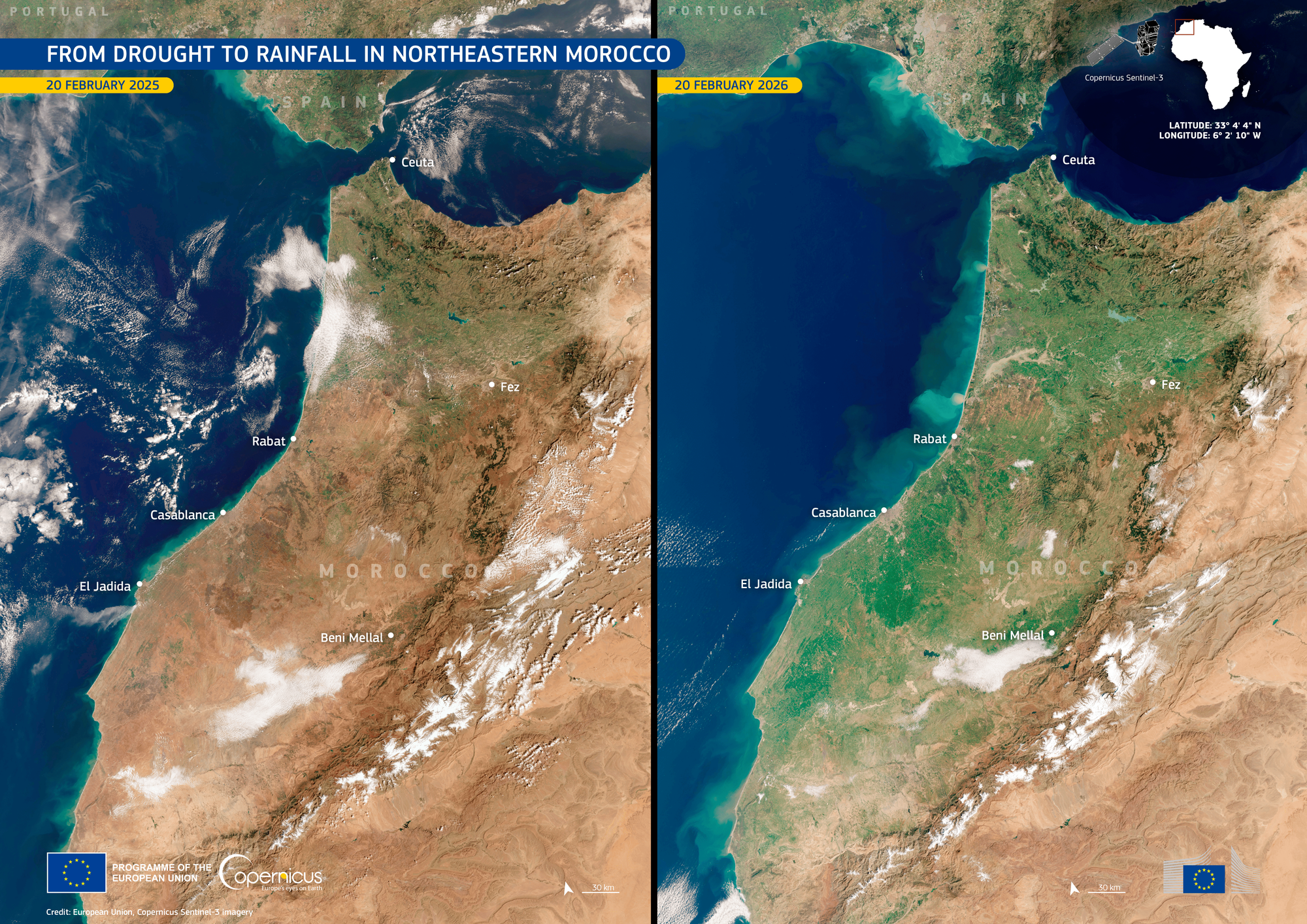
As of Feb. 20, 2026, available water resources had reached 11.8 billion cubic meters — an increase of about 155 percent compared with the same period in 2025. Reservoirs in Morocco were at 70.7 percent of total dam capacity.
France also saw persistent rainfall. Between January and February, the country recorded 35 consecutive days of rain. According to the national weather service, Météo-France, this was the longest consecutive stretch of rainy days since records began in 1959, surpassing the previous record set in 2023.
Portuguese man-o’-war and other species to watch. In February, the Portuguese man-o’-war — a highly venomous jellyfish-like organism — appeared in the waters off the island of Favignana, Sicily. Italy’s Higher Institute for Environmental Protection and Research (ISPRA) recommends reporting sightings of this “colonial hydrozoan of Atlantic origin” and avoiding contact (Il Sole 24 Ore).
Also in February, professional fishers near Catania caught a lionfish, confirming the continued spread of this invasive species along Sicily’s coast, according to marine biologist Francesco Tiralongo. Equipped with venomous spines on its dorsal, anal and pelvic fins, the lionfish can inflict extremely painful stings. The species entered the Mediterranean through the Suez Canal and is already widespread in Greece, aided by rising sea temperatures. Lionfish are among the species highlighted — alongside the silver-cheeked toadfish, rabbitfish and marbled spinefoot — in ISPRA’s “Beware of those 4!” awareness campaign.

Spain's "ghost" great white sharks. Following a capture off the Spanish coast in 2023, a recent study published in the scientific journal Acta Ichthyologica et Piscatoria retraces records of great white sharks (Carcharodon carcharias) sightings in Spain from 1862 to 2023. The research, conducted by the Spanish Institute of Oceanography in collaboration with the University of Cádiz, analyzes 62 great white shark sightings documented over 160 years in Spanish waters.
What prompted scientists to reexamine these data was the fact that, although the great white was common in the Mediterranean during the Pleistocene, it is now considered vulnerable and in decline, and is listed on the IUCN Red List. The main threats to its survival include accidental catches in longlines, gillnets, trawl nets and other fishing gear. Not coincidentally, the shark captured in 2023 was caught by local bluefin tuna fishers in an area characterized by deep canyons off Cabo de San Antonio, on the eastern coast of Spain. The fact that sightings have been consistent over the years gives scientists hope that this top predator — which contributes to its ecosystem balance in meaningful ways — is still present in the Mediterranean (Nautilus).
Valencia floods and climate change. A new attribution study published in Nature Communications has confirmed that human-induced climate change intensified the storm that struck areas around Valencia, Spain, in the autumn of 2024, causing more than 230 deaths. Using simulation models, researchers compared the intensity and extent of rainfall under current climate conditions with what would likely have occurred in a cooler, pre-industrial climate. The study concluded that present-day global warming increased the amount of rain that fell over six hours in Valencia by 21 percent, expanded by 55 percent the area affected by precipitation exceeding 180 millimeters (7 inches), and increased by 19 percent the volume of rain within the Júcar River basin compared to pre-industrial conditions. The findings also underscore the urgency of adaptation strategies and improved urban planning to keep up with a rapidly warming planet (Euronews).

What future for aquaculture in Greece? An article published in Το Βήμα examines plans to expand marine aquaculture in Greece, the Mediterranean’s second-largest producer of sea bream and sea bass after Türkiye.
While the European Union promotes fish farming expansion in Greek waters, many in the country question whether growth can occur without harming coastal ecosystems and communities.
Aquaculture is often framed in Brussels as a solution to food security and overfishing. But as the sector grows, scientists and environmental groups point to pollution, the spread of parasites and disease, and ecosystem damage — especially in small, semi-enclosed bays and protected areas.
The sector, which has expanded in Greece for about 30 years, generates €721 million ($837 million) in revenue, largely from exports. Some of the downsides are already visible, including abandoned infrastructure and reliance on feed derived from wild fish stocks often harvested elsewhere in the world.
The article emphasizes that these policies are not simply about production targets or industrial growth, but also about shaping the model of coastal development being pursued (Το Βήμα).
Volcanic ash: from problem to resource. As Magma releases Lapilli each month, this story feels especially fitting — all the more so because it's written by one of our current fellows, Stefania D’Ignoti.
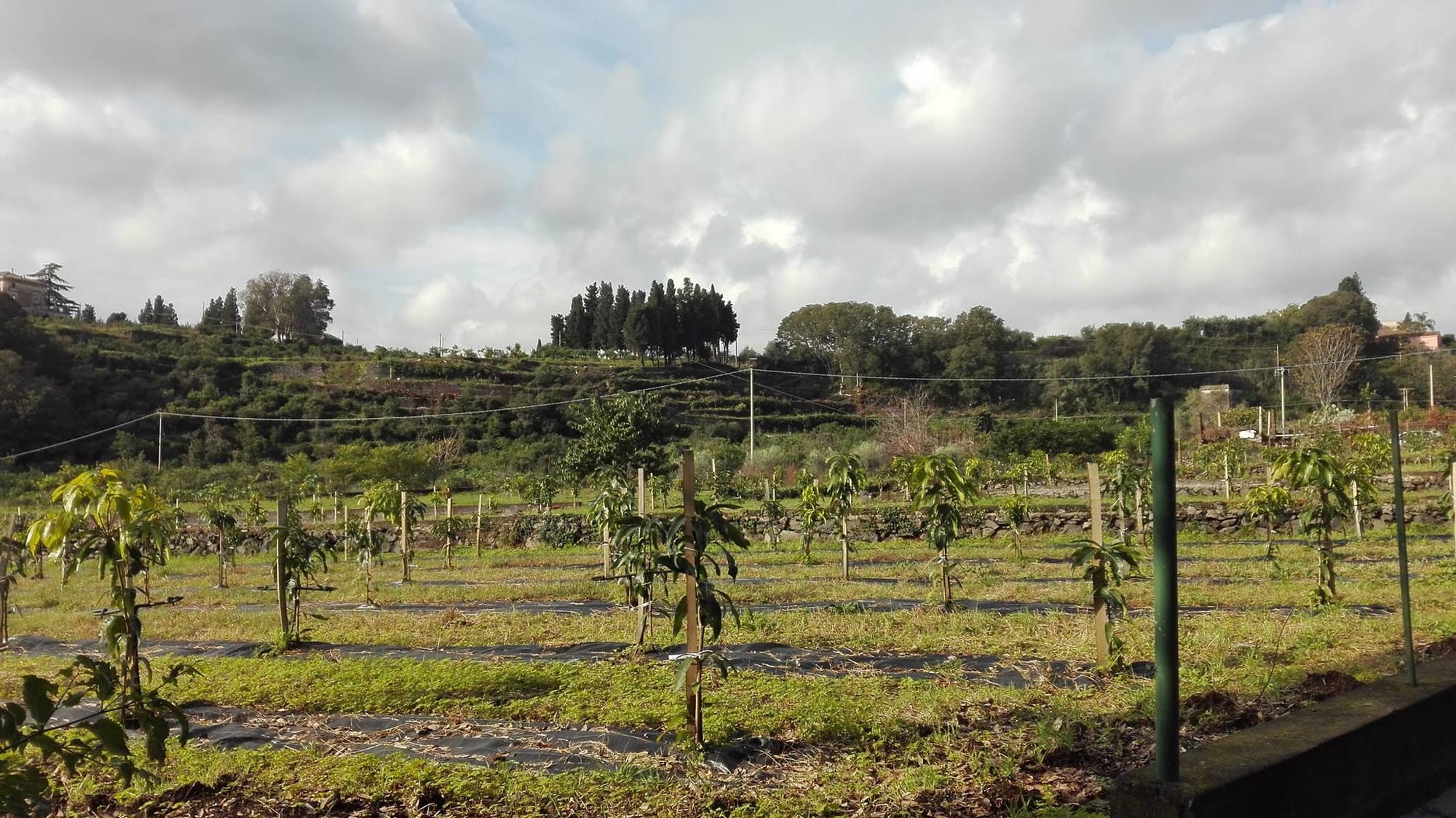
On the slopes of Mount Etna, farmers are beginning to recognize the benefits of volcanic ash from Europe’s most active volcano. Each eruption deposits thousands of tons of ash on nearby towns, disrupting daily life and straining infrastructure. Removing it is costly and time-consuming. But a project by the University of Catania aims to demonstrate that volcanic ash can be a resource. In agriculture, it improves soil drainage and acts as a fertilizer thanks to its composition, including iron, aluminum and silica. Other potential uses range from road construction and building insulation to water purification and even 3D printer ink production (The Guardian).

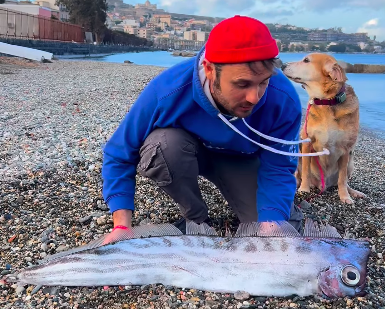
The animal was found alive, but died shortly after attempts to return it to the sea. It will now undergo analysis and later be preserved at MuMa, the Sea Museum of Milazzo (Green&Blue).
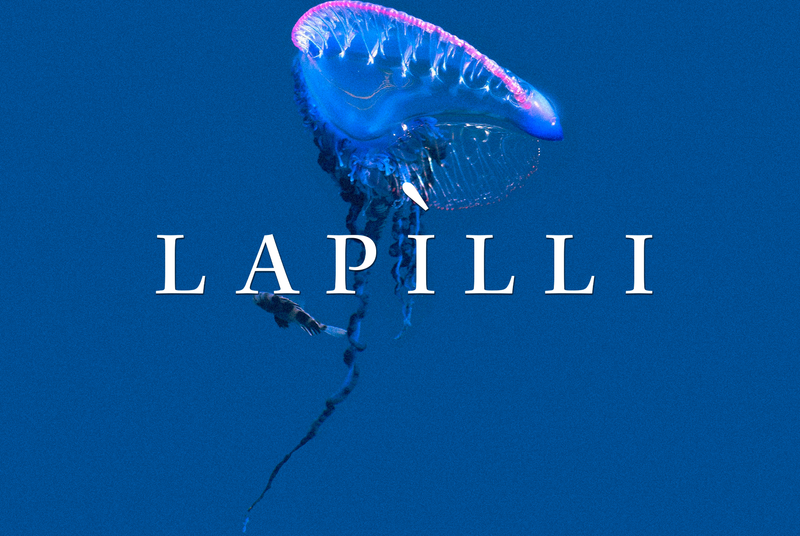
The cover image, created by Davide Mancini, shows a Portuguese man-o’-war.

MAGMA
At Magma, we are committed to reporting on the ways climate change is transforming the Mediterranean region. Find out who we are and read our manifesto.That's it for this month. Thank you for reading this far. See you in April.
If this newsletter was forwarded to you, you can subscribe here to continue receiving it. Lapilli is free and always will be, but in case you would like to buy us a coffee or make a small donation, you can do so here. Thank you!

