In this issue of Lapilli, we open with Cyclone Harry, a storm of abnormal intensity that swept across much of the central Mediterranean, leaving widespread damage and disruption in its wake. Harry generated record-breaking waves — including the highest ever measured in the Mediterranean — and unleashed exceptional rainfall across several regions.
From there, we travel to Cortina, where the Winter Olympics begin today, unfolding in a climate profoundly different from that of 1956, when the town first hosted the Games.
Leaving the Alps behind, we head south to Cyprus, in the Levant, where researchers have identified a stretch of coastline where summer sea temperatures remain cooler than elsewhere in the eastern Mediterranean, thanks to a distinctive process known as upwelling – or, more precisely, a reshuffling of the water column.
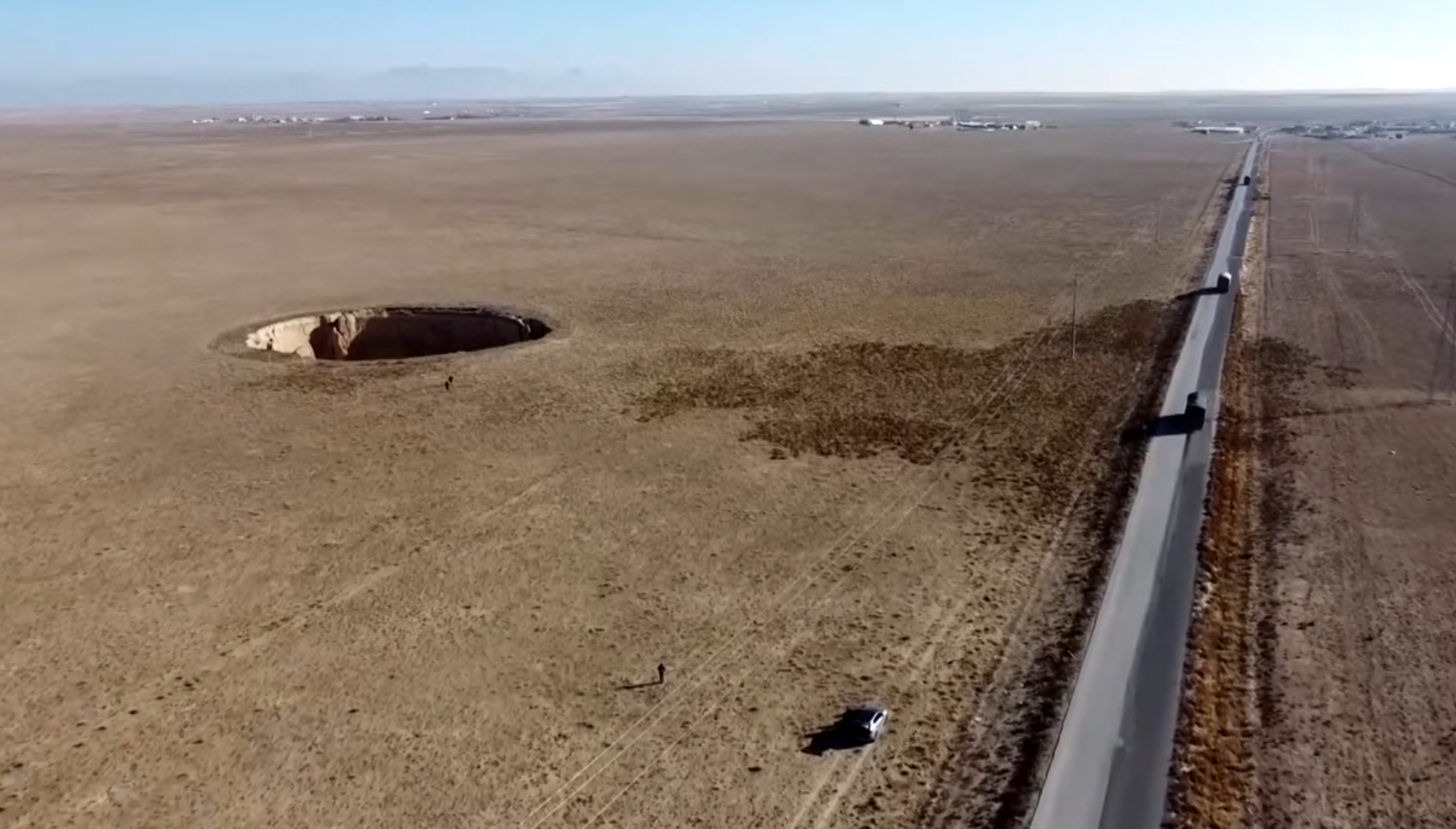
Finally, we turn to Türkiye, where prolonged drought is driving the formation of hundreds of sinkholes reshaping the landscape. For those at sea, we also include a long read that explains what happens when you drop anchor on a Posidonia meadow while visiting one the many beautiful beaches of the Mediterranean.
And, as always, much more. Enjoy!

Harry's Fury. Between January 18 and the morning of January 21, Cyclone Harry struck the central Mediterranean. The cyclone brought intense rainfall to Calabria, Sicily, Sardinia, Malta and parts of Tunisia, where at least four people lost their lives. In addition to record rainfall — some parts of Calabria saw more than six months’ worth of rain — the very strong winds generated exceptionally high waves that battered the coasts of Sicily and Calabria, as well as Malta and Sardinia, causing flooding and two billion euros ($2.3 billion) in damage in Italy alone. At the peak of the storm, a buoy operated by the Italian Institute for Environmental Protection and Research off southern Sicily, between Portopalo and Malta, detected the highest wave ever documented in the Mediterranean: over 16 meters high (52 feet) — roughly the height of a five-story building.
“As a meteorologist, I followed the storm’s buildup and aftermath as it hit Sicily, Sardinia and Calabria,” wrote Giulio Betti, a meteorologist and climatologist at the Institute for Bioeconomy of Italy's National Research Council and the LaMMA Consortium, on social media. “In 25 years of practice, I had never seen or predicted anything like this and I assure you that, working in the early warning system, I have handled dozens of extreme events.”
Many experts believe that the reasons for such an intense phenomenon lie in the broader trend of global warming — particularly the rise in average sea-surface temperatures, which in turn fuels the strength of cyclones. “The Mediterranean still has surface water temperatures well above average, and we are not just talking about the first few centimeters: tens of meters of the water column are warmer than normal,” Betti said shortly after the event at Wired Italia.
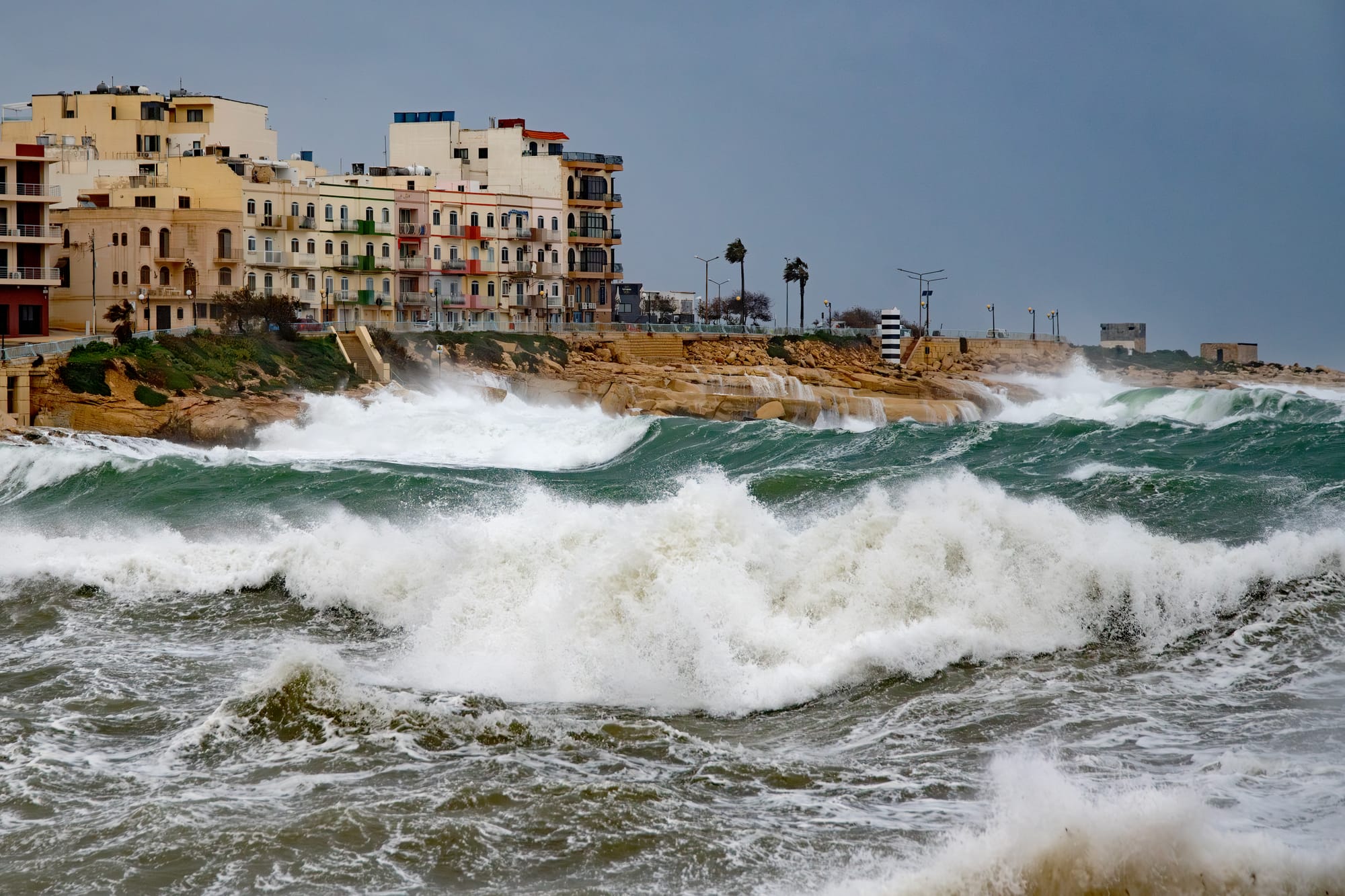
“Given the same meteorological setup, cyclones like Harry are today up to 15 percent more intense than in the past. This intensity cannot be explained by natural variability alone,” wrote Davide Faranda, a researcher at the French National Center for Scientific Research and founder of the attribution site ClimaMeter, on LinkedIn. A few days after the cyclone, ClimaMeter published a first analysis of what happened. “It's a rare event, and that limits the statistical strength of the conclusions,” Faranda added. “But the signal is consistent with what we know: Climate change is making Mediterranean cyclones more violent, with increasing risks of combined impacts from wind, rain and sea.”
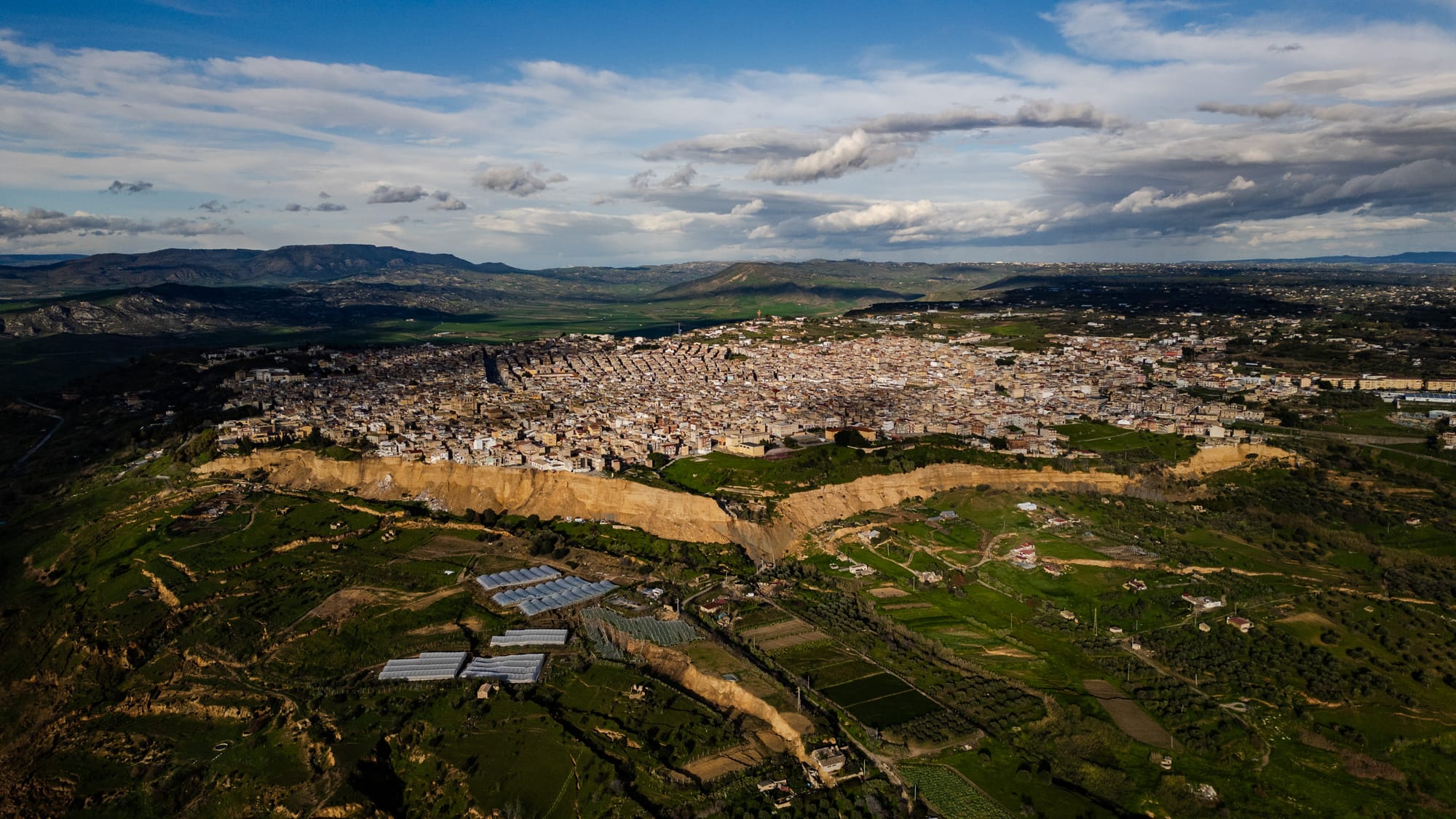
Small islands were particularly hard hit by Cyclone Harry, including Stromboli and Linosa, where the sea swallowed boats and caused serious damage to essential infrastructure such as piers and roads. In Niscemi, in the province of Caltanissetta, intense rains triggered a major landslide that forced around 1,600 of people to leave their homes and reignited long-standing controversies over hydrogeological management.
In addition to destroying coastlines, roads, railways and factories, the waves eroded beaches and, in at least one case, brought archaeological remains back to the surface: In Sardinia, Phoenician tombs and ancient vases resurfaced after the cyclone passed.
Despite the strength of the event, at least in Italy, no fatalities were recorded and many experts attributed this positive note to an efficient alert system that allowed those living on the coast to seek shelter. Migrants attempting to cross the Strait of Sicily from North Africa were far less fortunate. According to an article in the Guardian, up to 380 people may have lost their lives at sea in the days of the cyclone, an estimate that could be much lower than the true toll based on testimonies collected by the non-governmental organization Mediterranea.
During the same days as Harry, two people died in a flash flood in Athens, when up to 170 millimeters (about 6.7 inches) of rain fell in just one day. “That’s about 40 percent of the rain that falls in a year in Athens,” a meteorologist told the Agence France-Presse. Earlier in January, another flood in Albania had caused one death and the overflow of the Vlora river.
Heavy rainfall and flooding have continued to hit Morocco as well, where authorities declared the end of a severe seven-year drought in mid-month (Reuters).
Warmer Winter Olympics. The Milan–Cortina 2026 Winter Olympics open today. The event takes place 70 years after Cortina first hosted the Games in 1956 — with the key difference that average temperatures were much lower back then.
In February, average temperatures in Cortina are now 3.6 degrees Celsius (6.4 degrees Fahrenheit) higher than they were in the mid-1950s, according to an analysis by the U.S. organization Climate Central. Winter averages have risen from −7 degrees Celsius (19.3 degrees Fahrenheit) during 1956-1965 to −2.7°C (27.1 degrees Fahrenheit) during 2016-2025. Milan, which will host the indoor ice events, has warmed by 3.2 degrees Celsius (5.8 degrees Fahrenheit) over the same period.
The warming has tangible consequences. Compared with the 1950s, Cortina now records 41 fewer freezing days per year, a drop of nearly 19 percent. Even at high altitude, snow and ice are becoming less reliable. Average February snow depth has declined by around 15 centimeters (5.9 inches) since the 1970s.
This is one of the reasons why the 2026 Games will rely heavily on artificial snow: More than three million cubic meters (about 3.9 million cubic yards) will be needed to guarantee competition-ready slopes.
Italy’s case is far from unique. Climate Central notes that every city that has hosted the Winter Olympics since 1950 has warmed. The trend raises concerns not only about the feasibility of outdoor winter sports, but also about safety and the fairness of the competition.
A recent study found that while 87 of 93 potential host sites are currently considered climatically viable for the Winter Olympics, that number could fall to just 52 by the 2050s under an intermediate global warming scenario.
Three consecutive years near the critical 1.5°C threshold. According to the Copernicus Global Climate Highlights 2025 report, 2025 was the third-warmest year on record globally, after 2023 and 2024. Average global temperatures in these three consecutive years exceeded — in one case — and in the other two came very close to 1.5 degrees Celsius (2.7 degrees Fahrenheit) above pre-industrial levels (1850–1900), the threshold set by the 2015 Paris Agreement (Climate Home News).
In 2025, the Mediterranean region once again stood out as a climate-change hotspot. Southern Europe and the Mediterranean basin experienced some of the warmest conditions ever observed, with multiple heatwaves between spring and early autumn affecting countries such as Italy, Spain, France and Türkiye — often coinciding with prolonged drought. Greece was also hit by extreme weather events, including intense rainfall and record flooding linked to powerful storms.
At sea, surface temperatures in parts of the western Mediterranean reached record highs, fueling marine heatwaves that intensified atmospheric heat and worsened impacts along coastal areas.
Severe forest fires then struck the eastern Mediterranean, contributing to the highest level of fire-related emissions recorded in Europe in the past 20 years.
Humpback whales in Greece? In early January — and again toward the end of the month — two whale sightings sparked debate in Greece.
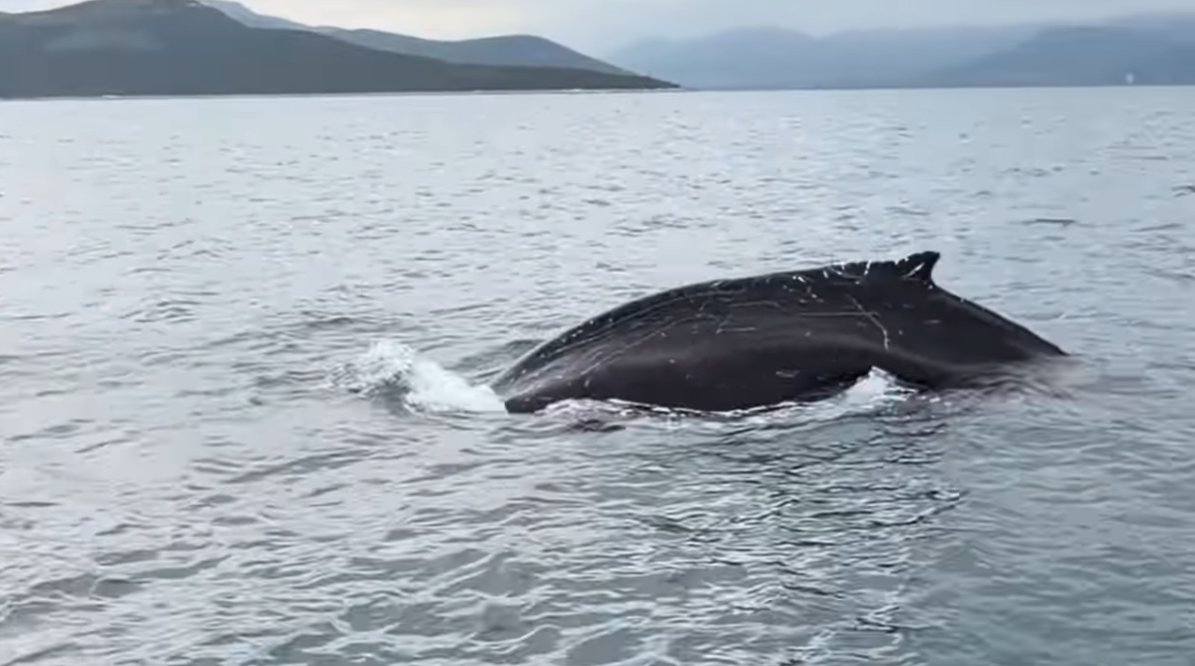
The first occurred in waters off the island of Kalymnos, in the southeastern Aegean Sea. A large whale, initially described as a fin whale but later suspected to be a humpback, was seen swimming close to the coast despite rough sea conditions. The encounter was filmed and shared on social media by local residents.
A second sighting followed in late January in the gulf off Volos, in central Greece. Here too, the animal was identified as a possible humpback whale — an unusual presence in such a shallow and semi-enclosed gulf. The whale was filmed from a vessel, drawing the attention of port authorities and national media, particularly because no whale had been officially recorded in the area since 1939, according to local reports (Tovima.com).
It remains unclear whether the two sightings involved the same individual. Humpback whales are not resident in the Mediterranean and observations are extremely rare. On occasion, however, solitary individuals may enter the basin through the Strait of Gibraltar, offering brief, unexpected encounters far from their usual migration routes.

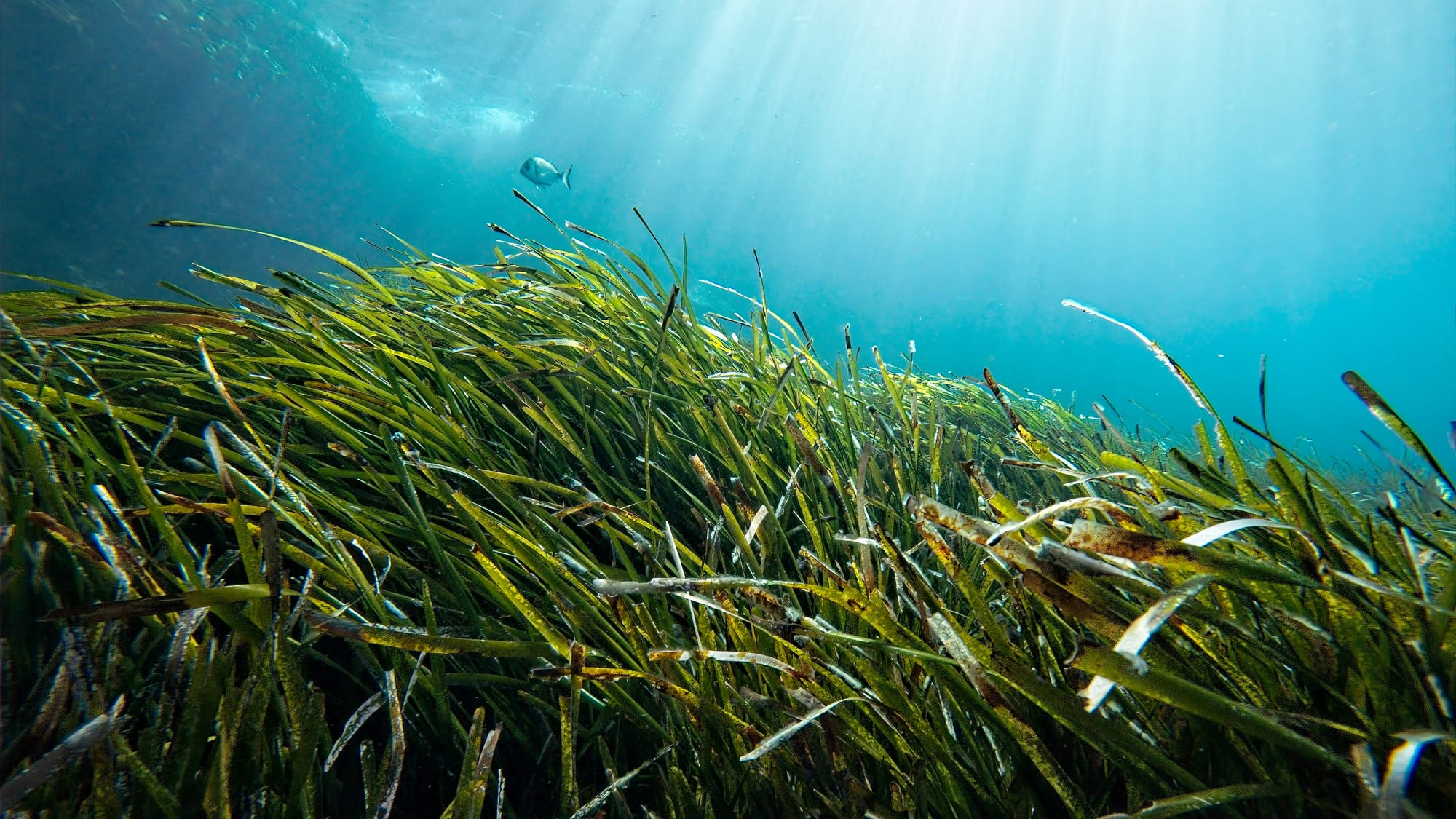
Anchoring on Posidonia. Summer may still be a long way off, but it’s never too early to talk about how to enjoy the sea without damaging it. In this spirit, we highlight a recent investigation into the harm caused by superyacht anchors to meadows of Posidonia oceanica.
We’ve already written about Posidonia many times. This seagrass — found only in the Mediterranean Sea — is essential to the region’s ecosystem: It oxygenates seawater, protects coastlines from erosion, captures carbon dioxide and provides habitat for countless species, including octopuses, starfish, sea urchins and seahorses.
Posidonia oceanica grows at depths of up to 45 meters (about 148 feet). Because it needs sunlight to survive, it thrives close to the coast — but that proximity also makes it especially vulnerable. On the one hand, it is threatened by rising sea temperatures; on the other, by human activities such as bottom trawling and, increasingly, the anchoring of recreational boats.
The investigation focuses on the waters around the Balearic Islands, Corsica and Sardinia, all home to extensive Posidonia meadows. Each summer, thousands of boats drop anchor in these areas, tearing up large sections of seabed when anchors are set and retrieved. The most severe damage is caused by superyachts longer than 24 meters (about 79 feet).
To grasp the scale of the problem, consider this: There are around 6,000 superyachts worldwide, roughly half of which spend most of their time in the Mediterranean. In a single night, a yacht swinging at anchor can destroy an area of Posidonia comparable to a football field.
Recovery is painfully slow. Posidonia grows at a rate of just one square centimeter a year (around 0.115 square inches). While efforts are under way to protect it — through replanting projects, fines for damaging anchors, continuous monitoring and detailed mapping of existing meadows — much more remains to be done if these underwater forests are to survive (The Ecologist).

A natural climate refuge in Cyprus. A new international study coordinated by the Anton Dohrn Zoological Station in Naples and published in Biodiversity and Conservation has identified a rare natural climate refuge in the eastern Mediterranean.
As the Mediterranean Sea continues to warm, biodiversity is under growing pressure, while exotic species better adapted to higher temperatures gain ground. Against this backdrop, researchers have pinpointed a marine area roughly 150 kilometers long (about 93 miles) along the southwestern coast of Cyprus where these trends are significantly dampened.
The reason lies in upwelling — the rise of deeper, colder waters to the surface — which promotes vertical mixing of the water column. Thanks to this process, summer sea surface temperatures in the area remain 2–3 degrees Celsius (about 3.6–5.4 degrees Fahrenheit) cooler than in the rest of the eastern Mediterranean basin.
Field surveys reveal that this cooler strip of sea hosts a much higher richness of native species compared with surrounding waters. According to the authors, it is the only known marine climate refuge in the Levant, making it a critical stronghold for the conservation of Mediterranean biodiversity.
“Protecting these environments means gaining precious time for species conservation and for ecosystems to adapt to ongoing change,” the researchers explained (Green&Blue).

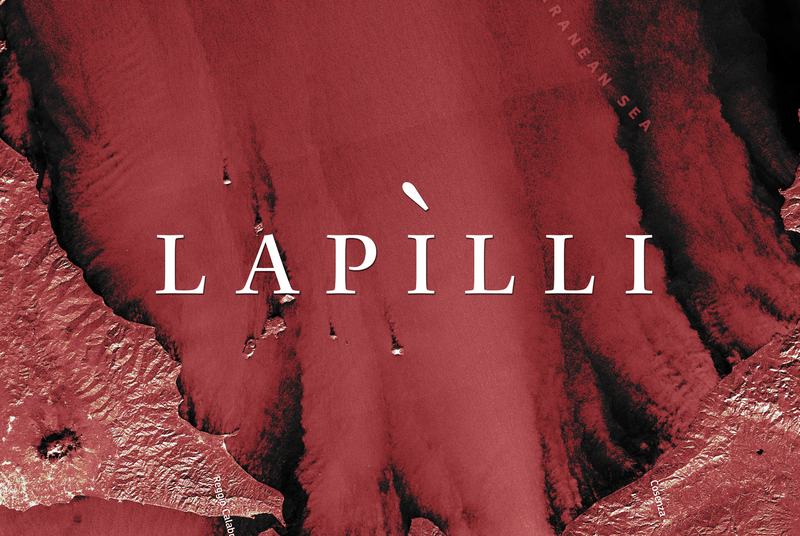
The cover image by Davide Mancini is based on a satellite shot captured on January 20, 2026, at 05:04 UTC by the European Union’s Copernicus Sentinel-1, showing sea-surface conditions shaped by wind across the southern Tyrrhenian Sea during the passage of Storm Harry.

GUGLIELMO MATTIOLI
As a multimedia producer, he has contributed to innovative projects using virtual reality, photogrammetry and live video for The New York Times. In a past life, he was an architect and an urban planner, and many of the stories he produces today are about the built environment. He has worked with publications such as The New York Times, The Guardian and National Geographic. Born and raised in Genoa, Italy, he has been living and working in New York City for more than 10 years.That's it for this month. Thank you for reading this far. See you in two weeks with a special issue dedicated to our 2025–2026 fellows.
If this newsletter was forwarded to you, you can subscribe here to continue receiving it. Lapilli is free and always will be, but in case you would like to buy us a coffee or make a small donation, you can do so here. Thank you!

