As summer 2026 approaches, Europe is already grappling with a heatwave that has shattered monthly temperature records across the continent. At the same time, cities are experimenting with new ways to prepare for an increasingly hotter future, reshaping urban spaces and daily life in response to a warming climate.
In this issue of Lapilli, we also remember marine biologist Monica Montefalcone, who recently passed away in a diving accident in the Maldives. Her work on the conservation of Posidonia oceanica helped protect one of the Mediterranean’s most emblematic seagrass species — a living symbol of a healthy sea.
We then travel to Greece's Amvrakikos Gulf, where researchers are studying how to better protect rays and sharks from bycatch.
And, as always, much more. Enjoy!

Heat test. A record-breaking early heatwave swept across Western Europe in May, hitting the Iberian Peninsula especially hard, with temperatures reaching 39 degrees Celsius (102 degrees Fahrenheit). In France, the national weather agency warned of temperatures as much as 12 degrees Celsius (22 degrees Fahrenheit) above the seasonal average. According to an analysis by ClimaMeter, a research initiative that examines the influence of climate change on extreme weather events, meteorological conditions like those behind the recent Western European heatwave are now significantly warmer and drier than they were in the past. The researchers conclude that human-driven climate change likely played a major role in intensifying the event.
Cities are where heatwaves become most tangible. A recent feature by Natalie Donback on how Paris and Barcelona are rehearsing for extreme temperatures offers a glimpse into the challenges urban areas face as they prepare for a hotter future — a challenge shared by most Mediterranean cities.
Italy’s mega-project in Libya. On May 7, a massive industrial infrastructure left the port of Ravenna bound for the Bouri oil field off the Libyan coast. The offshore module weighs 5,200 metric tons and stands 45 meters (148 feet) tall. Developed by a team of Eni engineers, its purpose is to reduce flaring — the practice of burning excess gas produced during oil extraction, a process that releases large amounts of CO₂ into the atmosphere.
The project is part of a broader cooperation initiative between Italy and Libya, unfolding at a time when efforts to secure alternative oil supplies have gained renewed momentum amid tensions surrounding the Strait of Hormuz.
Fuel and fishing. One of the less visible consequences of rising fuel prices is the pressure placed on the fishing industry. In Italy, many fishing vessels have made the difficult decision to not go to sea as fuel costs climb. For fishing fleets, fuel is among the largest operating expenses, and even an increase of just a few cents per liter can translate into thousands of euros in additional monthly costs. For some operators, the economics simply no longer add up.
Anti-resort protests in Albania and the battle for Fiumicino. Albania’s special anti-corruption prosecutors have opened an investigation into a controversial luxury tourism project linked to Jared Kushner, son-in-law of Donald Trump. The inquiry focuses on changes to the environmental protection status of the Zvërnec area, a coastal landscape of lagoons and ecologically important habitats where developers plan to build a sprawling resort complex with hotels, villas and roughly 10,000 rooms.
Environmental groups, local residents and representatives of the Greek minority warn that the project would inevitably damage local ecosystems and threaten protected species, including flamingos and sea turtles. In recent days, opposition to the development has intensified, with protests, clashes between demonstrators and security forces and growing calls to halt construction.
The transformation of Mediterranean coastlines for tourism is hardly unique to Albania. In Italy, a long-running example can be found in Fiumicino, near Rome, where another American company, Royal Caribbean, hopes to build a major cruise port along one of the last relatively undeveloped stretches of the Roman coastline. Local associations and residents have spent years opposing the project, arguing that the area should be preserved rather than converted into yet another tourism hub.
Swimming snakes. In Spain’s Balearic Islands, an invasive snake was seen swimming between nearby islets in pursuit of its favorite prey: the Ibiza wall lizard (Podarcis pityusensis). The horseshoe whip snake (Hemorrhois hippocrepis) was not present in the Spanish archipelago until a few years ago, but it is now emerging as a powerful predator that is driving the island’s native lizard toward local extinction.
According to researchers, the lizard has already disappeared from at least 10 small islets near Ibiza. What has surprised many observers, however, is that the snakes are reaching these islands by swimming — driven by hunger and rapid population growth in the absence of natural predators.
In the absence of a more effective conservation strategy, some Ibiza wall lizards have been relocated to the Barcelona Zoo in an effort to prevent their extinction.

In defense of Neptune grass. We would like to remember marine biologist Monica Montefalcone, who died during a dive in the Maldives, for her extraordinary contribution to the conservation of Posidonia oceanica, the Mediterranean’s most important and iconic seagrass.
Throughout her career, Montefalcone worked not only to study its ecological role, but also to document its dramatic decline over the course of just a few decades. That commitment is reflected in a pan-Mediterranean study published only days after her death, bearing her name alongside those of many other researchers.
Drawing on more than 400 samples, the study shows that following the 2022 marine heatwave, Neptune grass flowering was recorded across the Mediterranean — albeit at different intensities. The findings point to a shift in the plant’s reproductive strategy, adding to our understanding of a species whose ecological importance we have highlighted several times in previous editions of this newsletter.
Endless sneezes. Climate change may be extending the allergy season across Europe. According to research published in The Lancet and reported by The Guardian, warmer temperatures are lengthening the period each year during which airborne pollen triggers sneezing, itchy eyes and other allergic reactions.
The latest review of climate-related health impacts in Europe, published in The Lancet, found that between 2015 and 2024, pollen seasons for birch, alder and olive trees began one to two weeks earlier than they did in the 1991–2000 period. The shift is one of many ways in which a warming climate is already affecting human health across the continent.

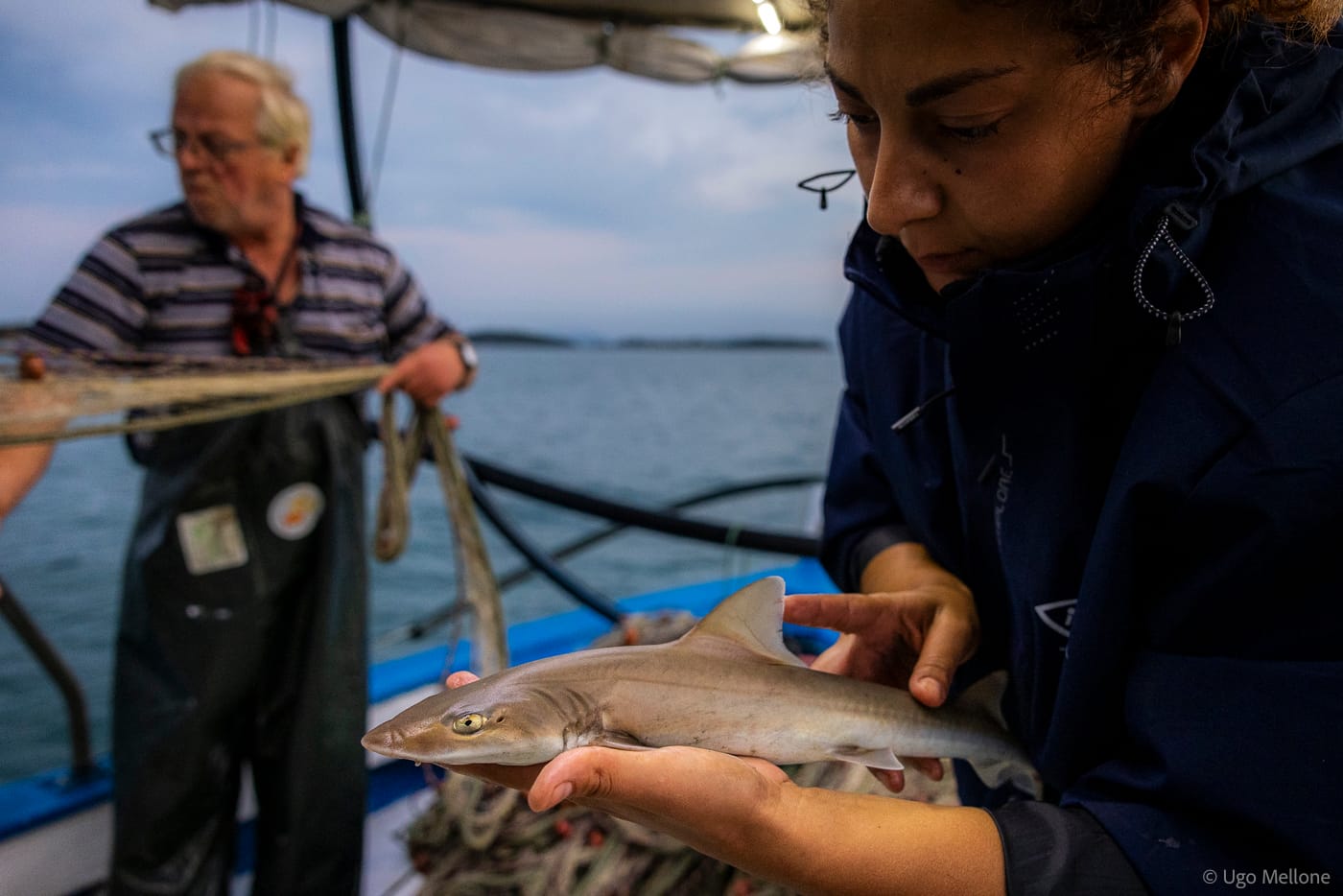
Sharks and rays in the “little Mediterranean”. Greece’s Amvrakikos Gulf looks like a Mediterranean within the Mediterranean. Rich in biodiversity, this enclosed body of water has become the focus of a collaborative conservation effort involving local small-scale fishers and marine researchers.
In a report published in Nature, Ugo Mellone (author of the cover photo for this issue) follows a project that monitors sharks and rays accidentally caught in fishing nets. Each animal is examined, recorded and then released. One of the goals of the By ElasmoCatch project is to identify the safest ways to handle and release young sharks and rays, improving their chances of survival after accidental capture by fishers targeting other species, such as shrimp, in this 400-square-kilometer (154-square-mile) gulf in northwestern Greece.
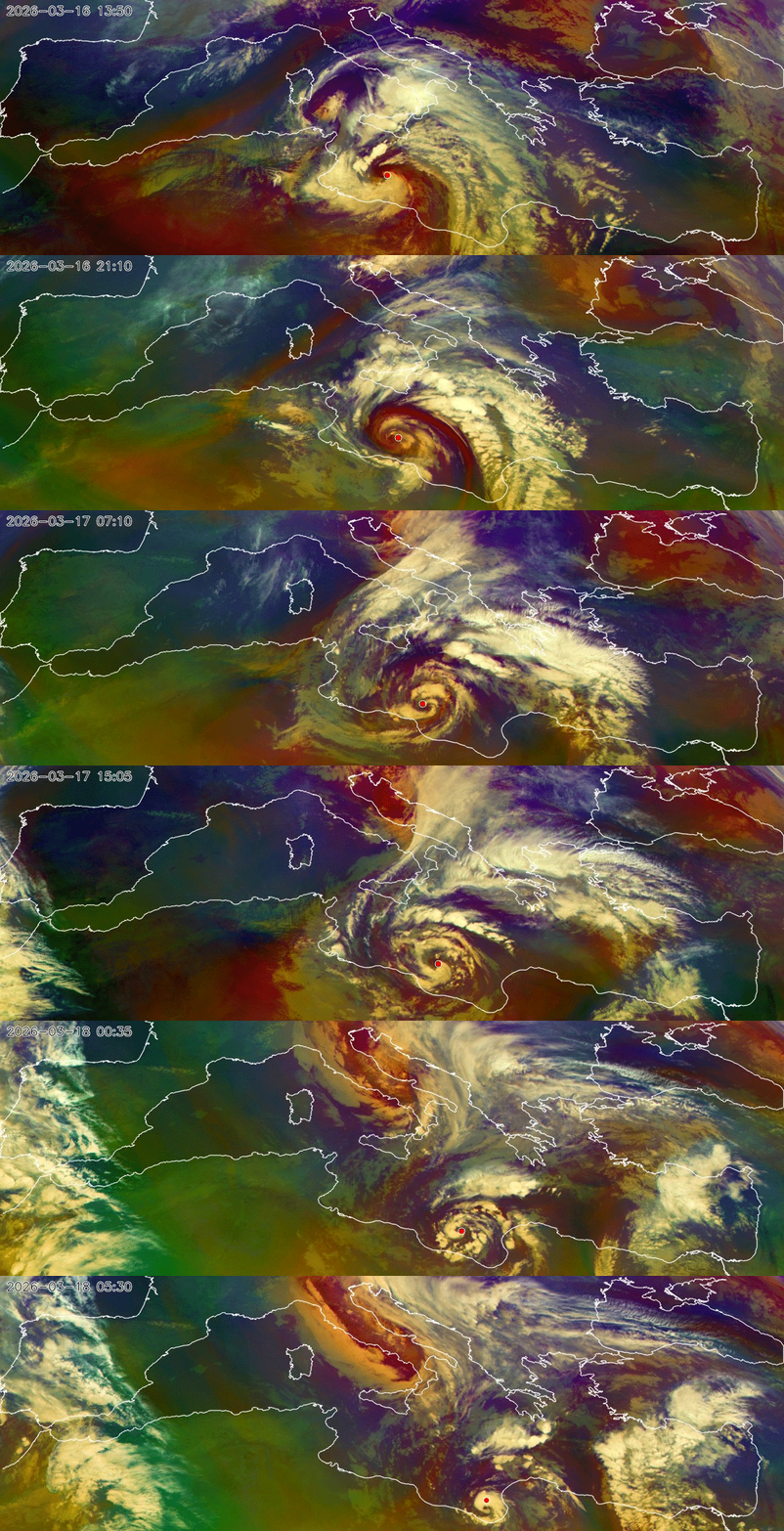
Mediterranean hurricanes. Also known as medicanes, these storms have attracted enough scientific attention that a group of researchers has recently proposed a formal definition for the phenomenon. Mediterranean cyclones share several characteristics with tropical cyclones, although they are not quite the same.
Their greatest danger often comes not from the storms themselves, but from the flooding that follows. Intense rainfall can affect vast areas, while extremely strong winds develop near the center of the system. The risks were evident during Cyclone Jolina, which formed in the central Mediterranean in March 2026, as well as during storms Ianos and Daniel, both of which caused widespread damage along Mediterranean coastlines in recent years.
Gibraltar’s sewage problem. Home to around 40,000 residents, Gibraltar — the British enclave at the entrance to the Mediterranean — still discharges its untreated wastewater directly into the sea. The territory has never had a full sewage treatment system.
In 2017, European authorities called on the U.K. to address the issue and build the necessary treatment infrastructure. Following Brexit, however, the EU no longer has the authority to enforce action. In 2025, Gibraltar’s government signed an agreement with Eco Waters to construct a wastewater treatment plant, although the project remains in the planning stages. Meanwhile, environmental organizations continue to warn about the microplastics and other chemical pollutants carried into the sea by Gibraltar’s untreated sewage.

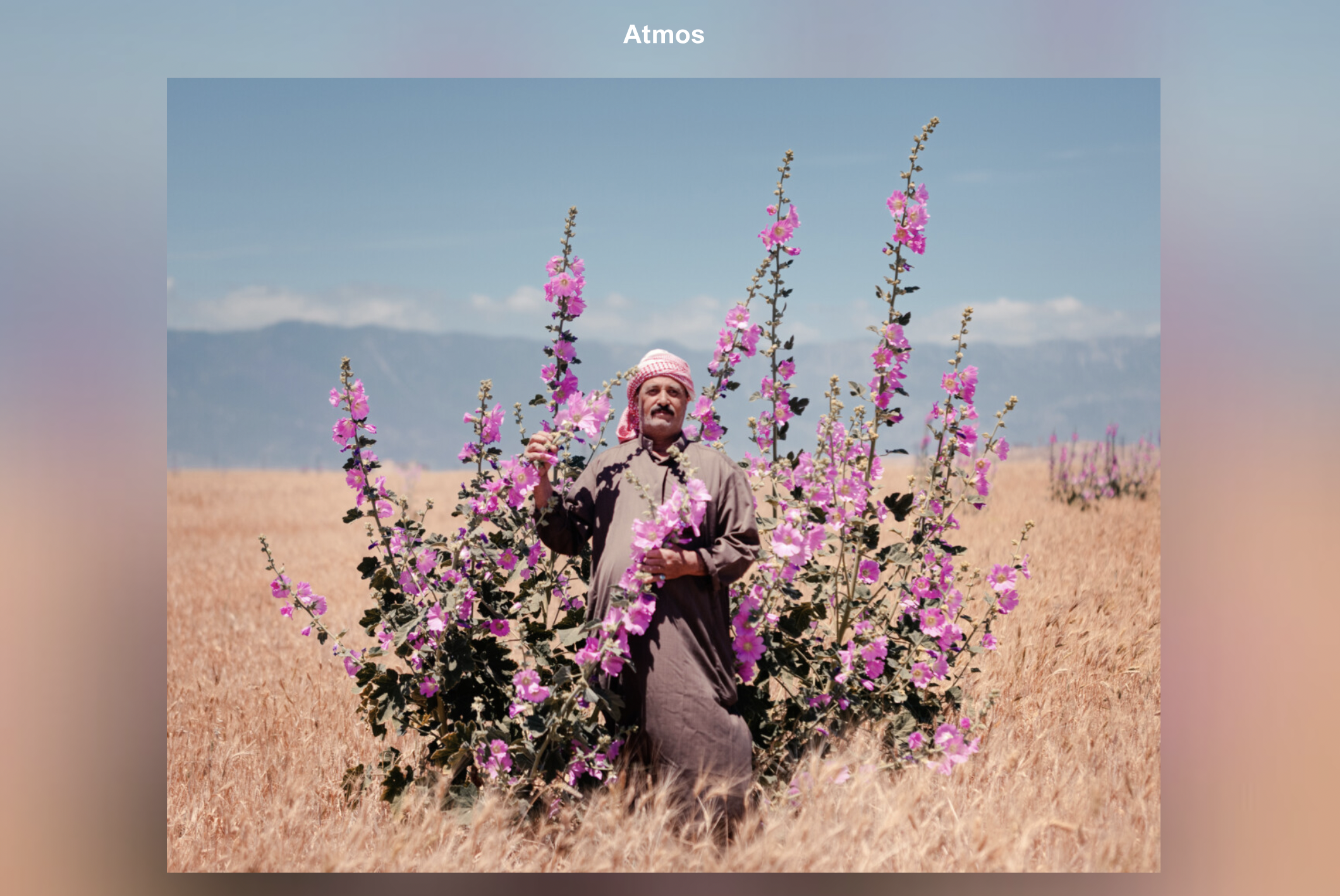
Long prized for its fragrance, the Damascus rose remains one of the country’s most distinctive traditional crops. Yet its production is now in marked decline, driven in part by the dramatic reduction in rainfall that has affected the region in recent years. Syria sits at one of the sharpest edges of the climate crisis. Rainfall levels during the 2024–2025 season were about 60 percent below the annual average, while wheat production, down 40 percent, left a shortage equivalent to what would feed 16 million people for a year. The rose harvest followed a similar trajectory. Where 270 hectares were cultivated with Damascus roses before 2011, only 120 hectares remain planted today. Rose plants that should live for 60 years now survive for just 25, their lifespan cut by more than half as a result of rising temperatures and increasingly erratic rainfall (Atmos).
Cover image: fishing vessels at work in Greece's Amvrakikos Gulf, photographed by Ugo Mellone.

DAVIDE MANCINI
As a freelance journalist, he writes, photographs and films the changes that are affecting the Mediterranean region, with a focus on the environment. He has published several investigations with international media on issues such as forest fires, illegal fishing and sea pollution. Here is a link to his published work.That's it for this month. Thank you for reading this far. See you in July.
If this newsletter was forwarded to you, you can subscribe here to continue receiving it. Lapilli is free and always will be, but in case you would like to buy us a coffee or make a small donation, you can do so here. Thank you!

